




Build and design your fashion portfolio

Drag and drop editor
Create a fashion portfolio website that reflects your design aesthetic. Build collection pages, curate lookbooks and organize sketches and campaign visuals with Wix’s flexible editor, no coding required.
Design features
Present your work with full-width editorials, immersive image galleries, hover effects and scroll animations. Create a polished browsing experience that guides visitors through collections, seasonal releases and featured projects.
AI creation tools
Write collection descriptions, refine your designer bio and generate page content with built-in AI tools. Save time on copywriting while maintaining a consistent brand voice across your portfolio.
Custom portfolio layouts
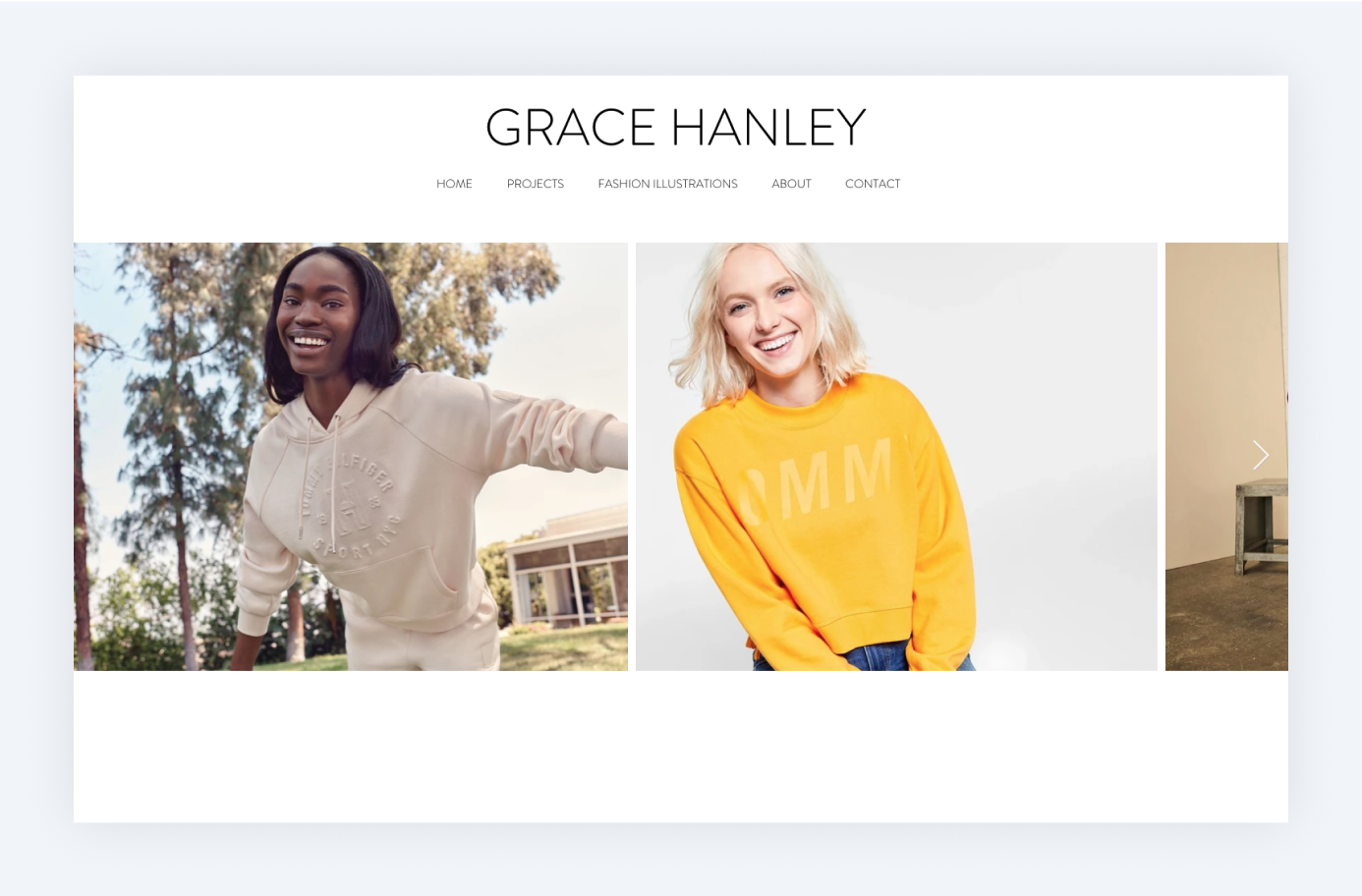
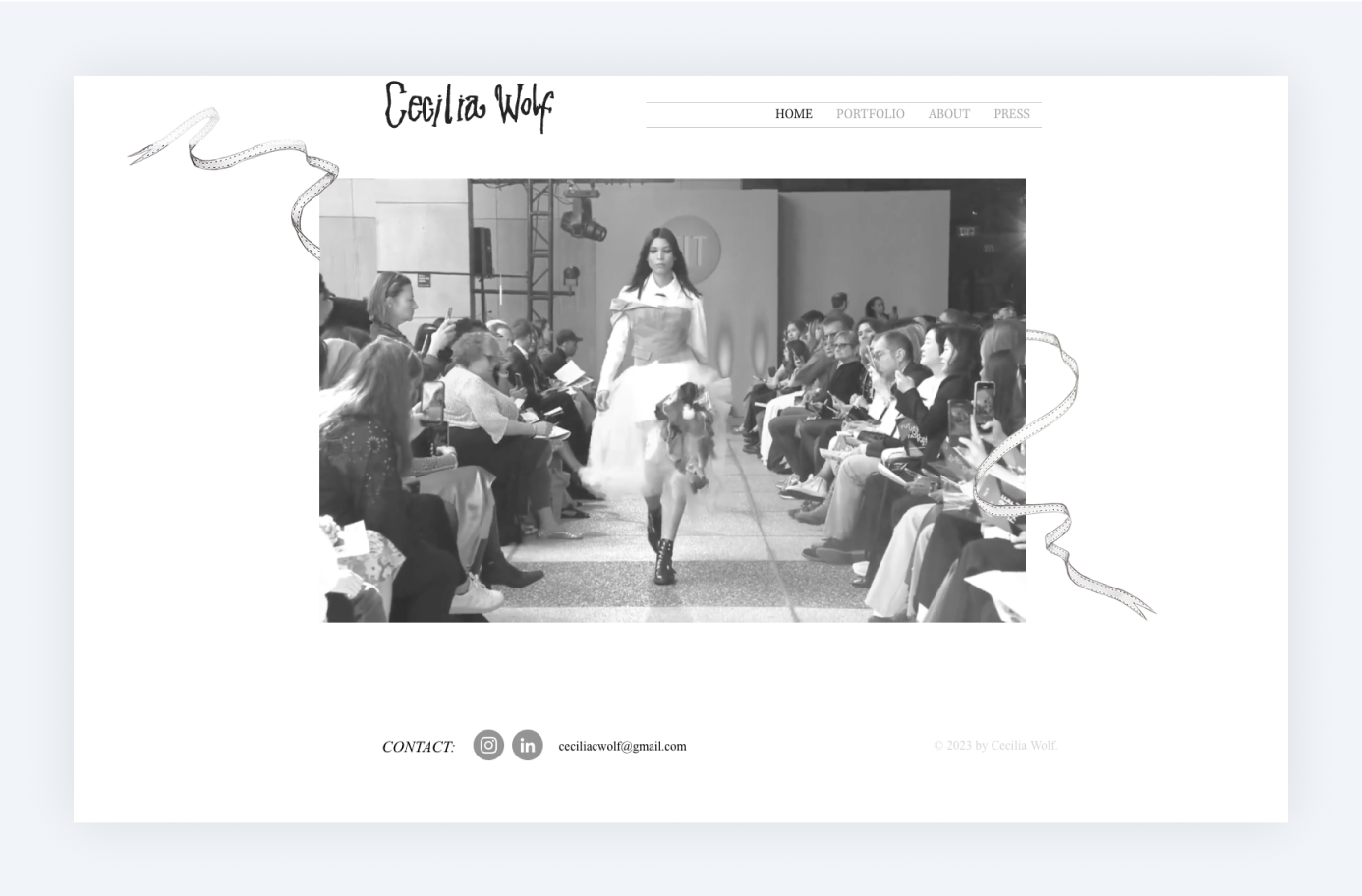
Build dedicated pages for collections, editorials, runway appearances or client work. Use flexible grids for lookbooks, lightboxes for close-up garment details and video embeds for fashion films, campaigns or runway footage.
Wix is trusted by over 300M users
Content ideas for your fashion portfolio

Lead with a hero look
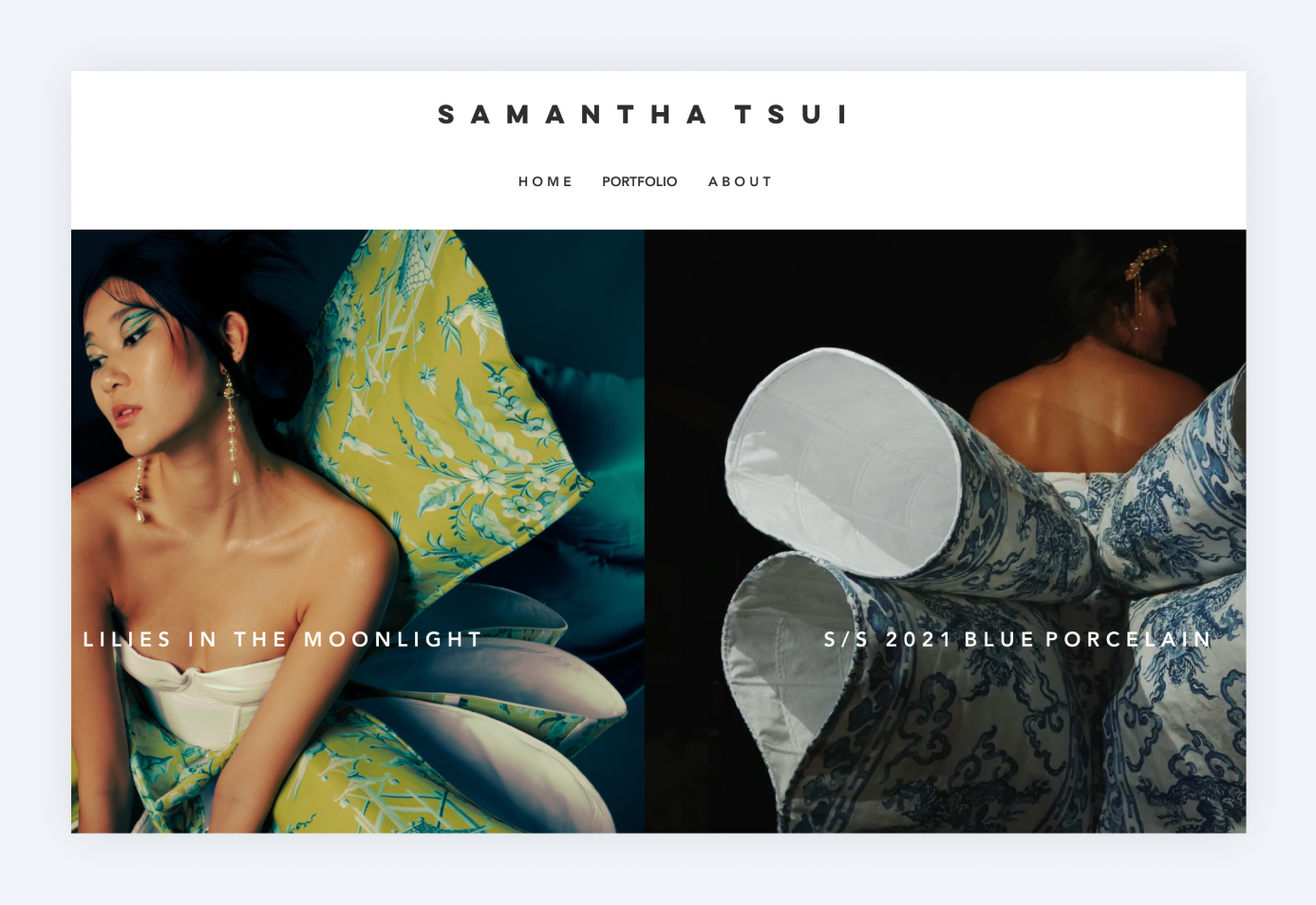
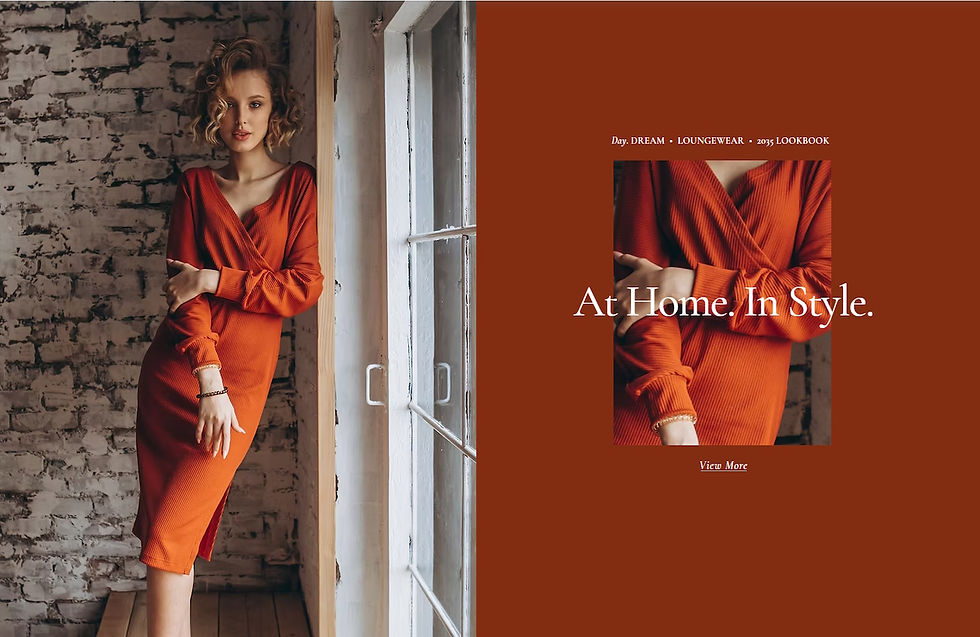
Open your homepage with one full-width campaign or runway image and a clear menu, so visitors land on your strongest collection first. Keep the website design minimal so the clothes carry the page.

Organize work into collections
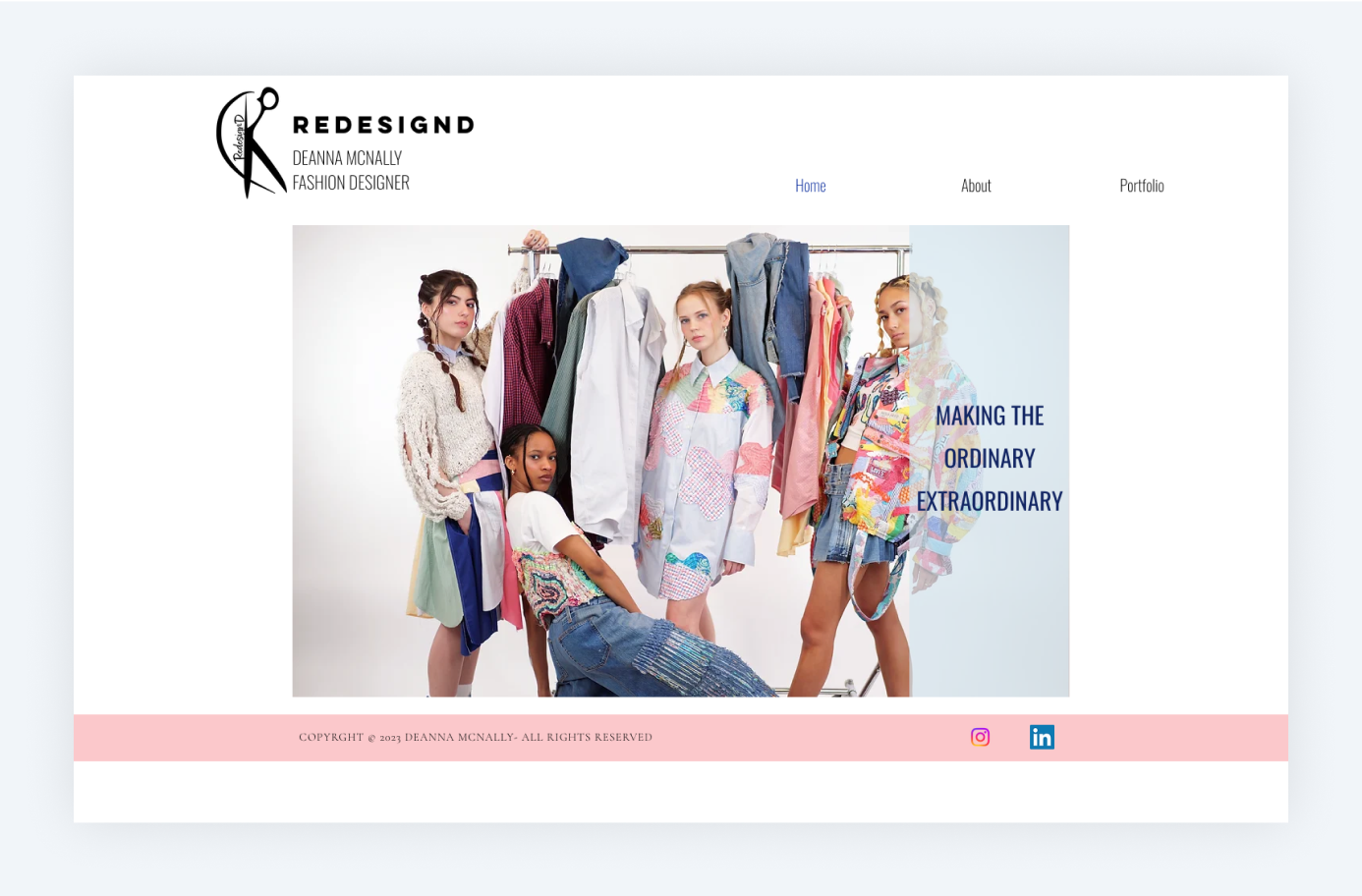
Group looks into named collections with consistent lighting and styling, and add notes on fabrics, silhouettes and techniques so buyers and casting directors read your range at a glance.

Show your process and tech packs
Pair finished looks with sketches, mood boards, flats and fabric swatches to prove how you work. A short designer bio covering your training and signature aesthetic builds trust fast.

Make contact and booking effortless
Add a simple contact form, your representation or agency details and links to Instagram and your shop, so clients, brands and press can reach you without searching.


Fashion portfolio examples FAQ
What types of work should I include in my portfolio?
Your fashion portfolio should include a mix that proves creativity and craft: concept and collection work for vision, flats, tech packs and pattern work for production skill, and at least one project that solves a hard constraint like a tricky fit or sustainable sourcing.
Feature commercial or client work if you have it, and give specialisms like draping, knitwear, embroidery or print design their own space. Focus on the work you want to be hired for.
How can I show my design process effectively?
You can show your design process effectively by telling each project from concept to final look: open with the inspiration or brief, then mood boards, fabric and color choices, sketches, flats and fittings, and close with the finished garment.
Add short notes on the why behind key decisions, and show a few rejected directions, since it demonstrates how you edit and solve problems.
How do I start an online clothing store?
Launching an online clothing store involves five decisions: what you sell and to whom, where you source or produce it, how you price it (factoring in cost of goods, shipping and expected returns), which platform you build on, and how you reach customers first. Most independent labels start with a tight edit — ten to twenty SKUs — rather than a full range, which makes inventory management and photography more manageable.
On the technical side: choose a platform with built-in inventory management, variant handling and payment processing. Connect a payment provider that supports your target markets, set up automated shipping rate calculations and write a clear returns policy before you launch. Soft-launch to your existing audience — email list, social following — before running paid traffic.
What’s the best way to present a collection?
The best way to present a collection is to give it its own page or labeled section with a title and a one or two line concept statement, then use consistent photography, lighting and styling so it reads as one body of work.
Lookbook galleries, full-width heroes and runway sequences work well. Order looks deliberately, lead and close with your strongest, and keep navigation simple.
Can I sell internationally from my clothing website?
Yes — most clothing platforms support multi-currency display, international shipping rules and automated tax calculation for different regions. The practical considerations are fulfilment (ship from one location or use a 3PL with overseas warehouses?) and returns (international return shipping costs erode margins, so many brands offer refunds-to-a-local-address or use a third-party returns aggregator).
Sizing is a common friction point: US, UK and EU sizing differs, and a clear size conversion chart on every product page significantly reduces returns from international buyers. Payment localisation matters too — offering regional methods beyond Visa/Mastercard (iDEAL in the Netherlands, Klarna in Germany, etc.) meaningfully improves conversion in those markets.
How do I highlight my unique style in a portfolio?
You highlight your unique style by being consistent: choose fonts, colors, layouts and image treatments that reflect your aesthetic and use them across every page. Curate toward your signature so the work that opens the portfolio states it immediately.
Write a short, confident intro naming your influences and what sets you apart, and point out recurring themes or silhouettes to reinforce a clear identity.
What is the difference between a fashion portfolio and a clothing store website?
A fashion portfolio is built for a designer or creative professional to showcase their work — collections, sketches, editorial shoots, runway pieces — with the primary goal of attracting clients, agencies or casting directors. The main call to action is contact or hire, not purchase.
A clothing store website is built to sell product directly to consumers. It needs inventory management, a checkout, payment processing, shipping logic and order management — the full eCommerce stack. Many independent designers run both: a portfolio documenting their creative work and a store selling ready-to-wear or made-to-order pieces. Some combine them in one site, with a store integrated into an otherwise portfolio-style build.
How do I make my clothing website mobile-friendly?
Mobile optimisation for clothing sites goes beyond responsive layouts. Thumb-friendly tap targets, fast image loading (compress product images — a 4MB fashion shot is a conversion killer on mobile data) and a streamlined one-page checkout all matter. Your Add to Cart button should be reachable without scrolling on a standard phone screen.
Navigation on mobile needs particular attention: a hamburger menu with two or three levels of categories is fine, but filter and sort controls on collection pages need to work cleanly on touch. Test on an actual phone before you launch — especially the checkout flow and payment step — not just a browser emulator.
What are some fashion website design ideas worth stealing?
The most effective fashion website design ideas come from the category itself: monochrome palettes with a single accent colour (signals premium and keeps focus on product), editorial-style homepages that open with a campaign image rather than a product grid, sticky navigation that keeps the cart and menu accessible while scrolling, and product pages that tell a material story — fibre content, country of manufacture, care instructions.
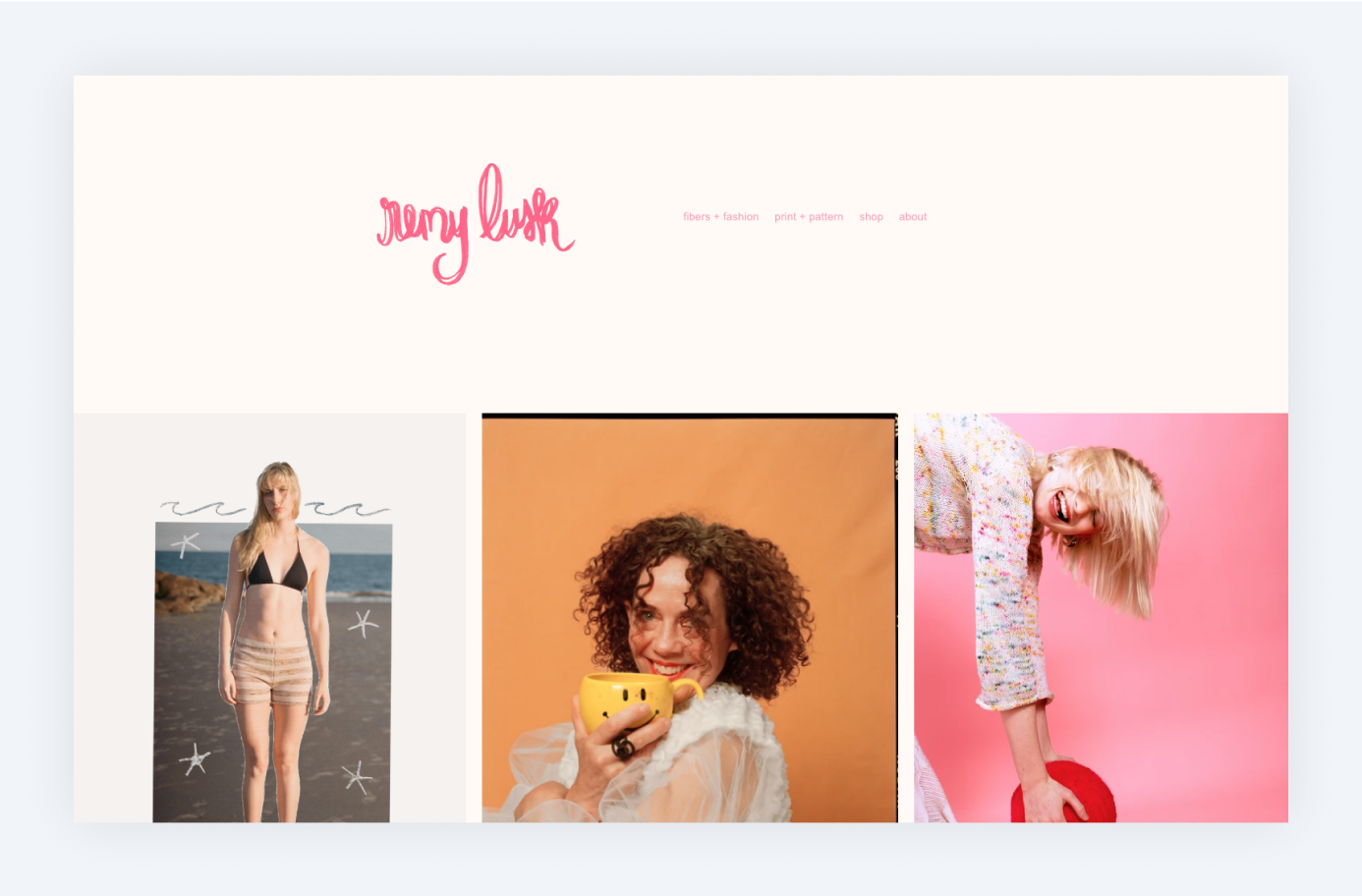
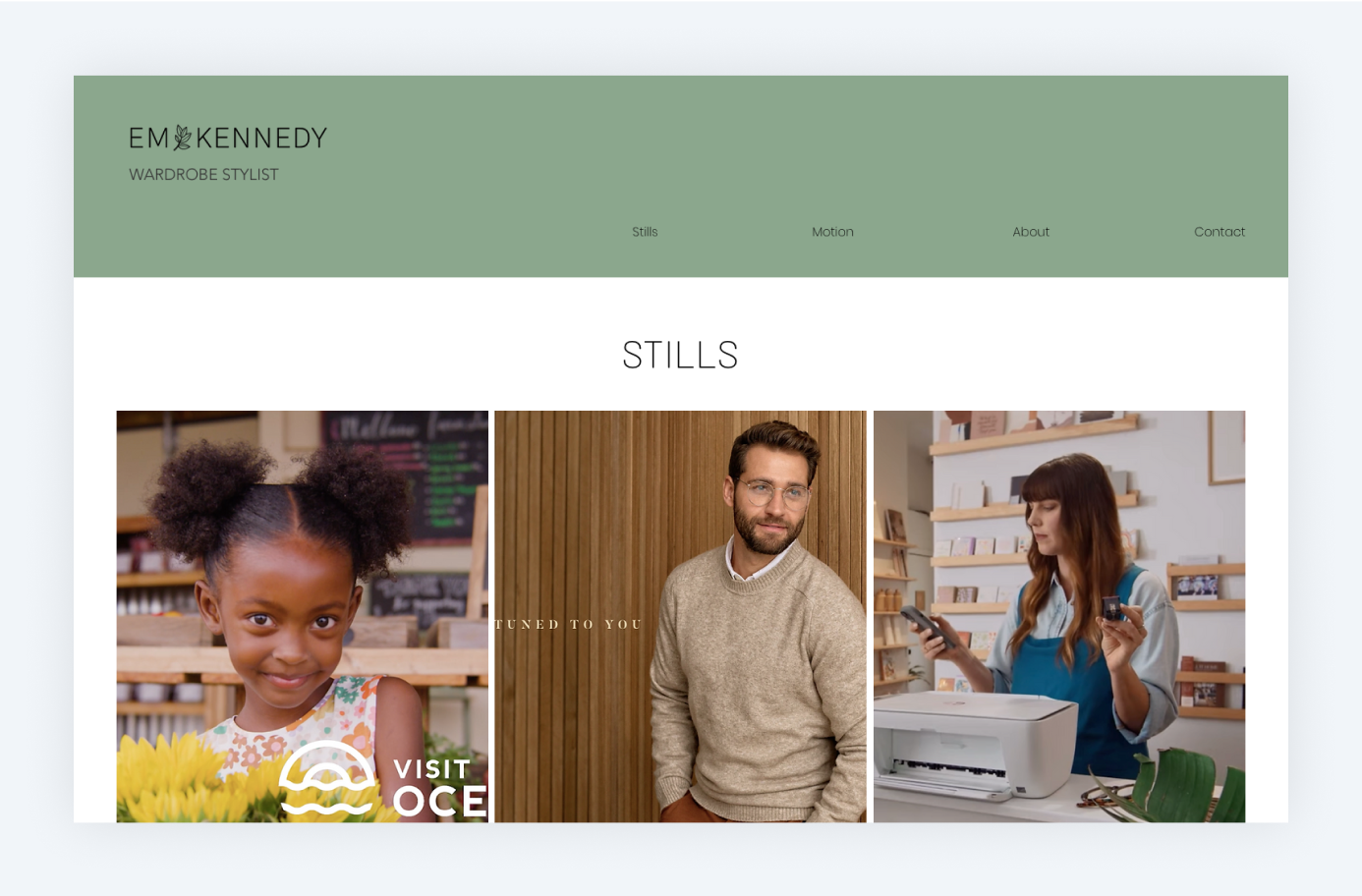
The sites on this page span a range of aesthetics — from the bold handmade identity of Festela Store to the industrial minimalism of Hila Rawet Karni's jewellery brand. Browsing them with an eye for how they handle product pages, navigation and brand copy is the fastest way to define what you want your own site to do differently.
What format is best for fashion portfolio examples?
The best format for fashion portfolio examples is an online portfolio website. It shares with one link, works on mobile, and supports high-resolution galleries, video and interactive layouts that a PDF cannot.
It also lets you update collections over time, connect a custom domain and add SEO. Keep a tight PDF for specific applications, but treat the website as your main portfolio.