

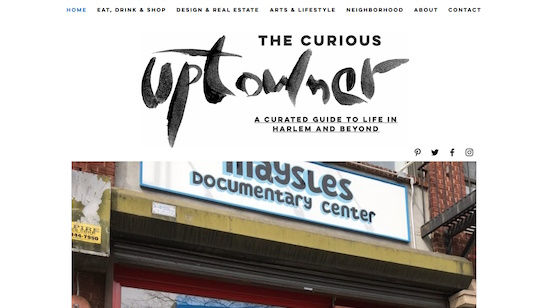


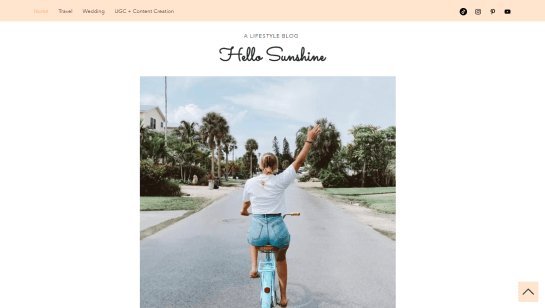
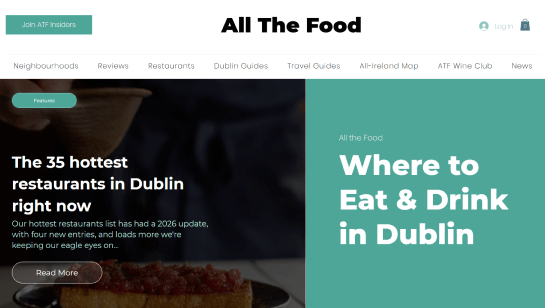
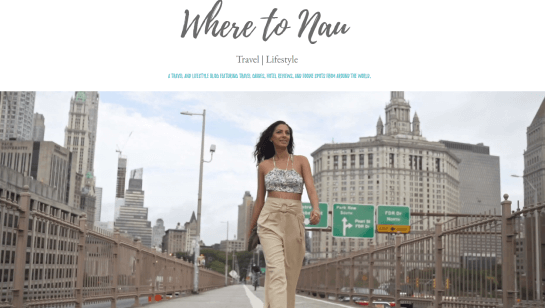



Build and design your blog

Drag and drop editor
With Wix’s flexible editor, you can create a blog and easily arrange text, images, videos and social links.
Design features
Make your blog stand out with scroll effects, custom galleries, featured post sections and smooth transitions designed for blog pages.
AI creation tools
Generate blog copy, craft custom images and add sections like featured posts, categories, or author bios with built-in AI tools.
Scalable solutions
Grow your Wix blog readership with multiple writers, email marketing, organized categories, Member Areas and other tools to engage your audience.
Wix is trusted by over 300M users
Content ideas for your blog websites

Immersive homepage
Use a bold featured post, category filters and clear website design to guide readers through your latest trending posts.

Dynamic post pages
Showcase your content with high-quality media, social sharing buttons and related article links to keep users engaged.

Writer profile section
Tell your story with a dedicated bio, professional headshot and social media links that establish your creative authority.

Get in touch fold
Make it easy for readers and potential clients to reach you with a simple form and clear contact info.

Interactive comments
Build a community by enabling reader feedback and discussion sections to encourage loyalty and return visits.
.png)


Blog examples FAQ
What is an example of a blog?
A blog is a website or section of a website that’s updated regularly with content such as articles, tips, stories or tutorials. Examples range from personal blogs about travel, food blogs with recipes, to business blogs sharing industry insights. Many blogs combine text, images and videos to keep readers engaged.
What should a blog look like?
A blog should feel like a digital publication or online magazine, with posts organized in a clear, readable flow. Most blogs have a homepage highlighting recent or popular articles, a consistent style with fonts and colors and visuals like images or graphics to complement the text. The design should be polished, inviting and easy to browse, helping readers stay engaged. If you’re just getting started, our guide on blogging for beginners can help you set up a blog that looks great and keeps your audience coming back.
What are the types of blogs?
Common blog types include personal blogs, professional or business blogs, niche blogs like travel, food or fashion, news or commentary blogs and tutorial or educational blogs. Some focus on storytelling while others aim to teach, inform or review products. If you’re looking for guidance on structuring your posts, blog post templates can help you plan and format content quickly. Depending on your goals, you might even mix types: for example, a personal lifestyle blog with educational tips. For writers just starting out, check out these guides on how to start a writers blog, or if you’re in wellness, see step-by-step tips on how to start a health blog.
What are examples of blogging for beginners?
Beginner-friendly blogs include personal journals, lifestyle blogs, recipe blogs, simple how-to tutorials or hobby-focused blogs. These are easy to start because they don’t require advanced technical skills or heavy research. If you’re just getting started, check out this guide on blogging for beginners for tips on choosing topics you love, setting up your site and growing your audience over time.
What skills are needed to start a blog?
Key skills include writing clearly, basic web or content management, SEO knowledge and some social media or marketing know-how. Creativity, consistency and audience understanding help you engage readers. Over time, analytical skills to track performance and adjust strategy are a big plus.
What makes a good blog design?
A good blog design is clean, easy to read and simple to navigate. It combines clear typography, balanced spacing and compelling imagery to make your content engaging while helping readers quickly find posts and share what they love. Focusing on blog design ensures your site looks professional and keeps visitors interested, and using the best blogging tools can make creating, managing and promoting your content faster and easier.
How do I write a blog?
Start by picking a topic you’re excited about and outline your main ideas. Write in a friendly, conversational tone, use headings and subheadings to structure your content and add images or links to make it more engaging. Paying attention to blog format helps your posts stay organized and easy to read. Finish with a question or takeaway to keep your readers thinking and encourage interaction.
What are common blogging mistakes?
New bloggers often make the same mistakes. They post whenever they feel like it, don't think about SEO, write long confusing posts, forget to check how their site looks on mobile and don't talk back to their readers. Some other things to avoid are copying someone else's content, putting too many ads on your blog or publishing without proofreading. Stick to writing quality content on a regular basis to build a loyal following.
What should you avoid in a blog post?
Avoid vague or off-topic content, spelling and grammar errors, overly promotional language, and big walls of text. Don’t skip SEO basics or forget about user experience like slow-loading pages or bad formatting. Keep it clear, easy to read, and packed with valuable info.
What is the 80/20 rule for blogging?
The 80/20 rule is your secret sauce for a blog that people actually want to read. It means 80% of your posts should focus on helping, teaching or entertaining your audience, while the other 20% can promote your products or services. By focusing on giving value first, you build real trust and keep your readers coming back for more without making them feel like they're stuck in a sales pitch.
Why should I look at blog examples before designing my blog?
Looking at blog examples helps you find layouts and styles that match your niche. It also shows you how to organize categories, highlight featured posts and design a clean, easy-to-navigate blog that keeps readers engaged.
How do I choose a blog design that fits my niche?
Choose a blog design that reflects your audience and content type. For example, a minimalist layout works well for personal blogs, while a bold, image-heavy design fits travel or fashion blogs. Look at blog examples in your niche for inspiration.