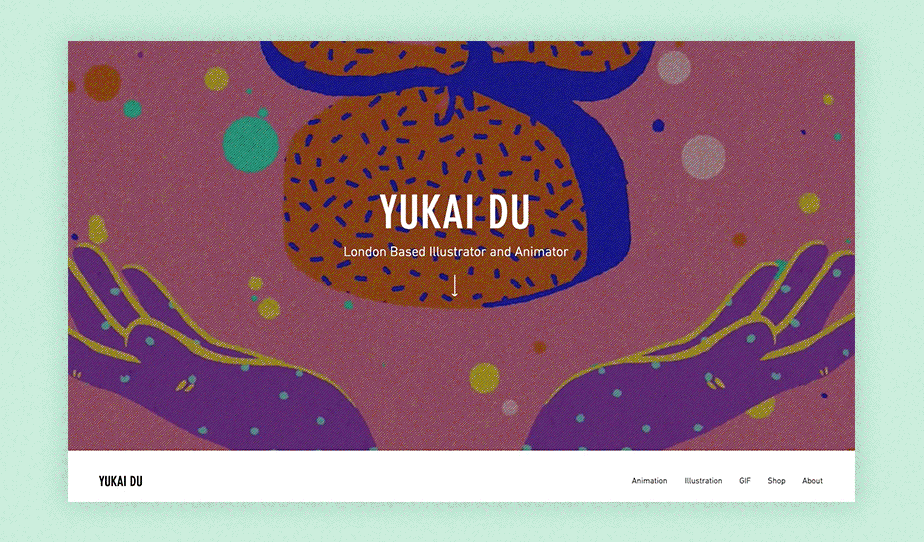

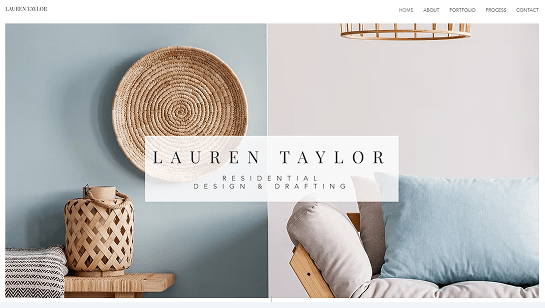
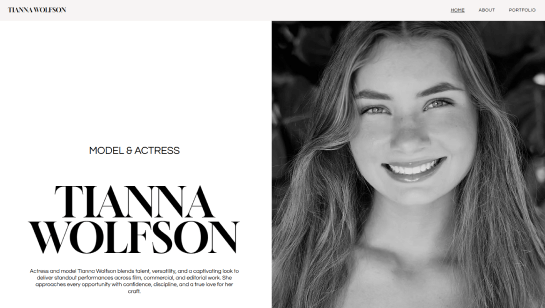
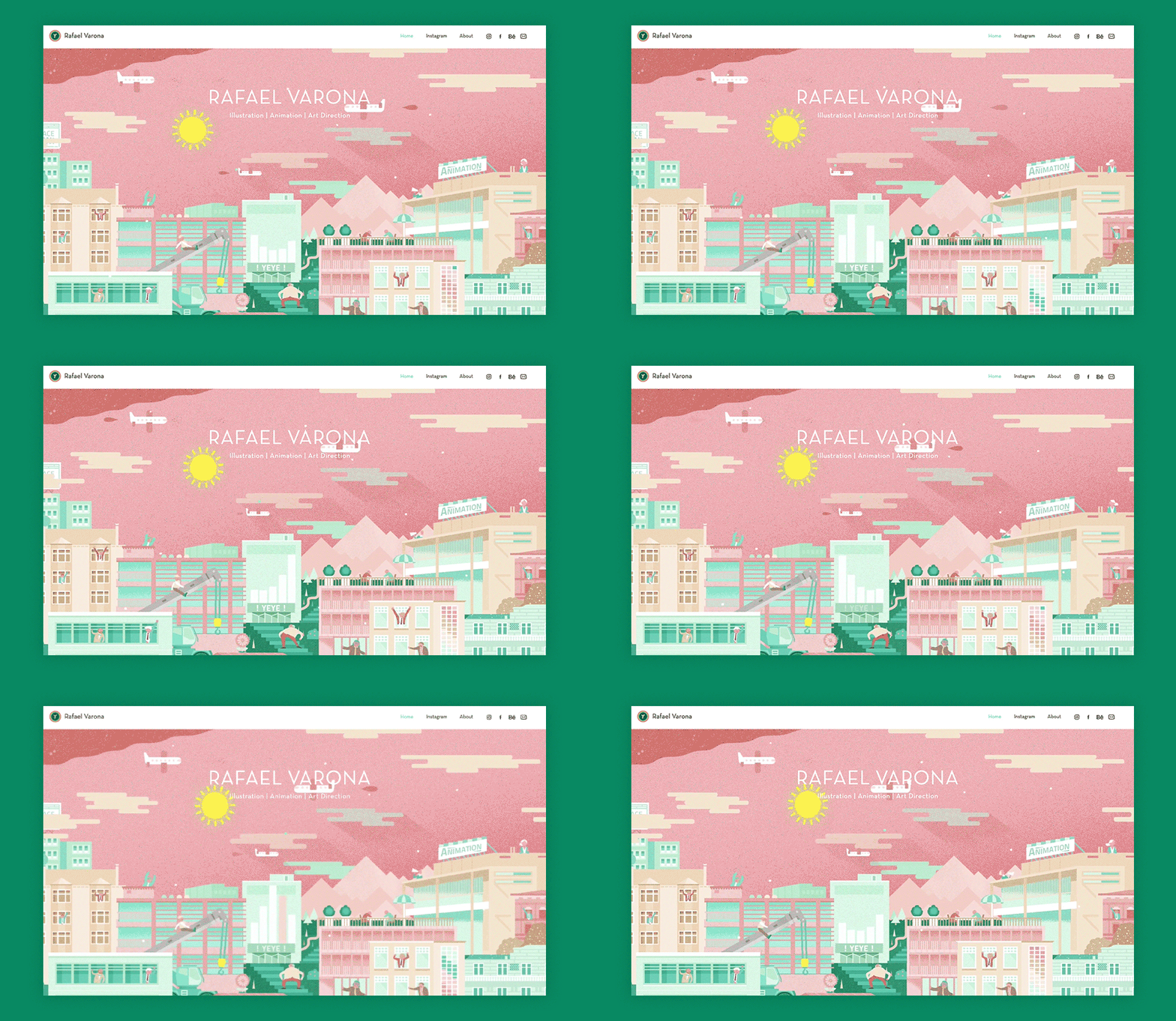





Design your portfolio your way on Wix

Drag and drop editor
With Wix’s portfolio maker, you can feature your projects, arrange galleries and collection pages, present case studies and add custom sections to you digital portfolio. A .show domain reads as work on display, which suits a portfolio.
Design features
Make your portfolio website stand out using animations, videos and scroll effects with interactive features and clean design details.
AI creation tools
Quickly generate images, write creative descriptions, project summaries and add sections to your portfolio website with built-in AI tools.
Custom portfolio layouts
Structure your portfolio with flexible grids that make your work pop. Use lightboxes to give your images a closer look, embed videos or call out important details. Draw inspiration from artist website examples.
What creators are saying about Wix

Dopple Press: print and design studio
I chose Wix for my business because of its massive scope for functionality and freedom of creation. I get to work with all sorts of different people, making all sorts of unique things, and Wix as a kind of housing for that.

Kevin Zik: a reportage artist in New York City
I built a Wix website in one night and it completely changed my career. Today my business has come to take a few different pillars: brand activations, teaching online classes and then working as an illustrator. My website is the hub for everything.

Hello.Maxburst: digital agency
Wix have given us a lot of creative freedom. It saves us time compared to other platforms we can deliver sites super fast. We've expanded our client base and we've been offering Wix to a lot of large clients now

Justin Teodoro: artist, illustrator and designer
I had a really particular idea of what I wanted from my website. It's always interesting for me to look at the artist sketchbook, so I kind of framed the website like that. Wix helped me create the Teodoro world.

Jamie Ramsay: photographer
I definitely recommend Wix. It's like working with Scotch tape and scissors, you know, you're just putting things together where you want it.
Dopple Press: print and design studio
I chose Wix for my business because of its massive scope for functionality and freedom of creation. I get to work with all sorts of different people, making all sorts of unique things, and Wix as a kind of housing for that.
Kevin Zik: a reportage artist in New York City
I built a Wix website in one night and it completely changed my career. Today my business has come to take a few different pillars: brand activations, teaching online classes and then working as an illustrator. My website is the hub for everything.
Hello.Maxburst: digital agency
Wix have given us a lot of creative freedom. It saves us time compared to other platforms we can deliver sites super fast. We've expanded our client base and we've been offering Wix to a lot of large clients now
Justin Teodoro: artist, illustrator and designer
I had a really particular idea of what I wanted from my website. It's always interesting for me to look at the artist sketchbook, so I kind of framed the website like that. Wix helped me create the Teodoro world.
Jamie Ramsay: photographer
I definitely recommend Wix. It's like working with Scotch tape and scissors, you know, you're just putting things together where you want it.
Wix is trusted by over 300M users
Portfolio website ideas that actually work
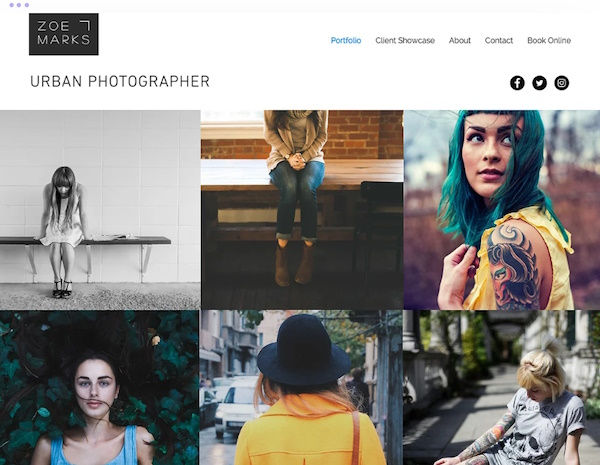
Portfolio homepage
Highlight your design style and your best work.
Add a short intro and feature standout projects with brief context.
Include clear links to your portfolio, services and contact page.

Portfolio gallery
Showcase your best projects with high-quality images.
Organize work by style or project type.
Add short descriptions, your process and expertise.

Bio page
Add personality to your portfolio with a bio page that shares your background, design philosophy and experience. Include a professional photo, a short story about your journey and key details like skills, awards or a resume. Explore bio page examples.
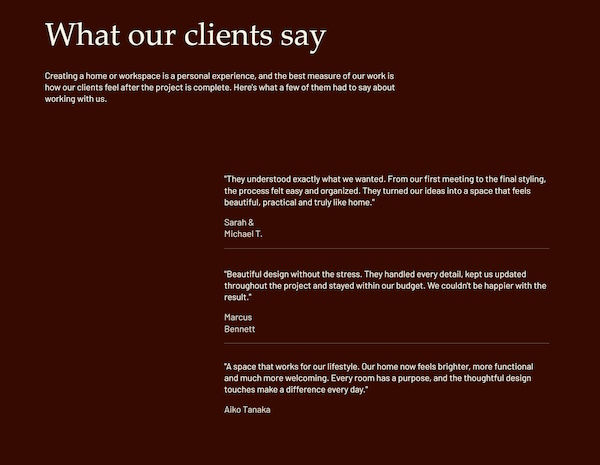
Testimonials
Add short reviews that call out your skills and results. Place them near projects to build trust and give your work real-world context.

Contact form
Keep your contact form simple. Ask only what you need, set response time expectations and add a friendly touch to make it approachable.


Learn how to build a portfolio website that highlights your best work with clear structure, strong visuals and a design that reflects your unique style.
What to include in a portfolio
A strong portfolio makes it easy to understand what you do, what you're good at and what someone should do next.
Selected work: Choose projects that represent the kind of work you want more of. Organize them into categories or specialties if you work across several areas.
Project pages: Give important projects their own space. Show the finished work, then add enough context to explain the brief, your role, your process and the outcome. Architecture portfolio examples and interior design portfolio ideas tend to do this particularly well.
About page: Tell visitors who you are, what you specialize in and what influences your work. Keep it relevant to the reason they're visiting your portfolio.
Services or skills: If you're using your portfolio to attract clients, make it clear what you offer. A visitor shouldn't have to figure out what they can hire you to do.
Testimonials or results: Client feedback, measurable results, awards or other evidence can add credibility. For professional work, showing what your work achieved can be more useful than simply saying you're talented.
Contact information: Give visitors an obvious next step. Depending on your goal, this could be a contact form, email address, booking option or link to your professional profiles.
Get inspired: browse photography portfolio examples and art portfolio inspiration from real Wix sites

Portfolio website ideas
A portfolio website gives your work a place to speak for itself. It can help you attract clients, apply for jobs, find collaborators or simply document what you've created. The right portfolio depends less on your profession and more on what you need people to understand about your work when they land on your site. If you'd rather start from a ready-made structure, an AI portfolio generator can lay out the basics for you.
Visual portfolios
If your work is highly visual, let the work take center stage. A photography portfolio, art portfolio, fashion, architecture or interior design site can use galleries and project pages to showcase finished work without overwhelming visitors with text.
For image-heavy portfolios, curate rather than upload everything. A smaller selection of strong projects usually tells a clearer story than dozens of unrelated pieces. For example, a model portfolio website can organize images by the types of work you want to book, such as editorial, commercial or runway, while a video portfolio can group projects by format or role and highlight your contribution to each one.
Professional portfolios
A portfolio can show more than creative work. Writers, marketers, UX designers, developers, consultants and other professionals can use case studies, project summaries and results to demonstrate what they can do.
For this type of portfolio, explain the problem, your role, what you did and what changed as a result. Where possible, include specific outcomes such as increased conversions, faster workflows, stronger engagement or measurable business results. The format can also reflect the work itself: a graphic design portfolio can show the brief, concepts and final deliverables, while an interior design portfolio can show the client's requirements, design decisions, materials and finished space.
Career portfolios
If you're looking for a job, your portfolio should complement your resume rather than repeat it. Designers, developers, writers, architects, students and other professionals can use it to show selected projects, skills and experience in more detail.
Choose work that reflects the type of role you want next and prioritize projects that demonstrate the skills employers are looking for. You don't need to show everything you've created. An architecture portfolio aimed at studio roles, for example, can show concept sketches, technical drawings, material choices and finished projects to demonstrate both your design thinking and execution.
Creative portfolios
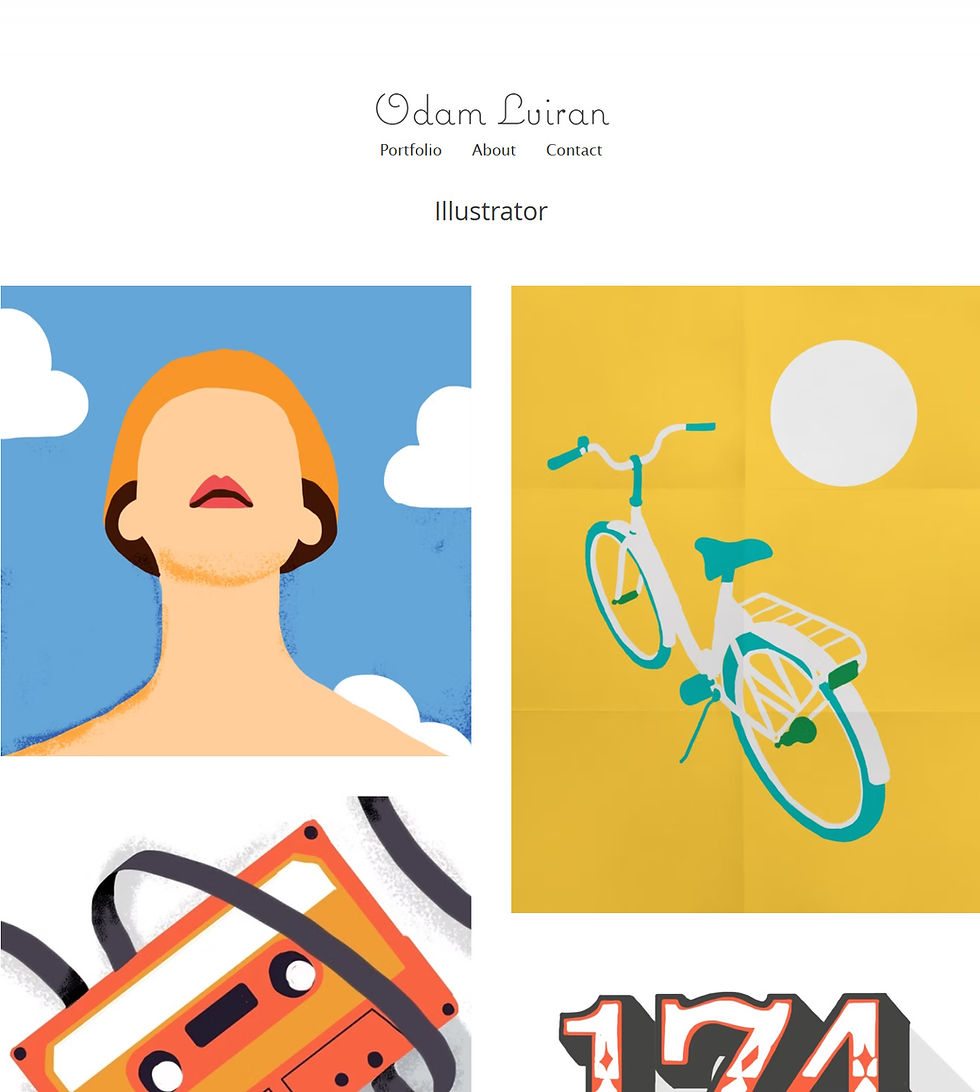
Some portfolios are as much about personal expression as professional work. Artists, musicians, filmmakers, photographers, writers and other creatives can use their sites to establish a distinct style and give visitors a better sense of who they are. A music portfolio can carry tracks and live dates, while an illustrator portfolio website can group work by style or by client.
Your portfolio doesn't have to follow a standard layout. The design, typography, animation, imagery and navigation can all support the character of your work, as long as the site remains easy to use.

How to choose what goes in your portfolio
Your portfolio isn't an archive. It's a curated argument for why someone should choose your work.
Before adding a project, ask:
Does it represent the kind of work I want to do more often?
Does it show a useful skill or specialty?
Does it demonstrate my level of quality?
Can I explain my role and contribution clearly?
Does it add something different from the other projects?
If several projects make the same point, keep the strongest one. A focused portfolio is easier to browse and gives your best work more attention. Graphic design portfolio examples and animation portfolio inspiration show how much a focused edit helps.
Turn projects into case studies
A collection of finished work can show what you made. A case study can show how you think.
For each important project, explain:
The challenge: What needed to be solved?
Your role: What were you responsible for?
The process: How did you approach the work?
The result: What changed, improved or was achieved?
For example, a UX designer might show the original problem, research, wireframes, design decisions and final product. A photographer could explain the brief, creative direction, location and final series. A marketer could show the campaign goal, strategy and measurable results. You don't need a case study for every project. Use them for the work that best demonstrates your expertise. Marketing portfolio examples and web design portfolio ideas are good places to see case-study structure in action.
Make your portfolio work for your goal
The same portfolio can serve different purposes, so decide what you want it to achieve before you start designing it. If you're looking for clients, put your services, strongest work and contact details where visitors can find them quickly. If you're applying for jobs, prioritize projects that match the roles you're targeting and make your skills easy to assess.
If you're building a reputation, give more space to your point of view, creative process, writing or personal projects. If you're selling creative work, combine your portfolio with product pages, pricing and purchasing options. And if you're looking for collaborators, show the kinds of projects you enjoy and make your interests, strengths and capabilities clear.

Portfolio design tips
Good portfolio design should support the work rather than compete with it. Give projects enough space, use consistent image sizes and keep navigation simple so visitors can move between projects easily. Fashion portfolio designs are a useful reference for pacing images and white space.
Your homepage doesn't need to show everything. Start with a clear introduction and a curated selection of your strongest work, then let visitors explore from there.
Think carefully about mobile too. Someone viewing your portfolio on a phone should still be able to see your work clearly, understand what you do and contact you without friction. Model portfolio examples are especially worth checking on a phone, since they're so image-led.
Most importantly, update your portfolio as your work develops. Replace weaker or outdated projects with stronger ones and keep the site aligned with the opportunities you want next.

Portfolio examples FAQ
What is a portfolio website?
A portfolio website is a website where you share your work, skills and experience. It helps potential clients, employers or collaborators see what you’ve done and what you’re capable of. Most portfolio websites include project examples, information about the person behind the work and ways to get in touch. It’s a simple way to show your work online and help others decide if they want to work with you.
What is an example of a portfolio?
An example of a portfolio could be a photography portfolio showcasing a gallery of stunning images, or an art portfolio website highlighting completed projects and creative work. Other examples include a designer’s site with case studies or a writer’s site featuring published articles and copy samples.
Portfolio websites organize your work visually, making it easy for visitors to browse projects, understand your expertise, and get a sense of your style. To create a portfolio that truly stands out, check out our guide on how to make a portfolio and bring your work online professionally.
Why should I look at portfolio examples?
Checking out portfolio examples is a smart way to spark design inspiration and see how others showcase their work effectively. You can learn how to structure projects, highlight key skills and present your experience in a way that resonates with clients or employers.
Reviewing examples from your industry also helps you understand what works for your niche, and if you want to create a polished portfolio quickly, an AI portfolio generator can help you bring your work online in minutes.
What makes a good portfolio example?
A good portfolio example does more than just display work, it tells a story about the creator’s skills, style and process. Key elements include clear navigation, high-quality visuals and well-written project descriptions that explain your approach and results.
A clean, organized layout helps visitors focus on your best work without distraction, while showcasing your unique creative voice. Strong portfolio examples also make it easy for potential clients, employers or collaborators to get in touch, turning inspiration into opportunities. For added impact, consider including behind-the-scenes details, case studies or a mix of projects that highlight versatility and expertise.
Who needs a portfolio?
Portfolio websites are for anyone who wants to share their work, demonstrate their skills and create new career or business opportunities. They’re commonly used by designers, artists, writers, developers and freelancers, but they’re also valuable for marketers, consultants, business owners, educators and job seekers. A portfolio website helps you present real examples of your work, highlight achievements and show the results you’ve delivered. It gives potential clients, employers or collaborators a clear way to evaluate your experience and decide if you’re the right fit for their needs.
How do I create a portfolio?
Creating a strong portfolio starts with selecting 5–10 pieces that showcase your best work and range: quality matters more than quantity. For each project, include a brief description so visitors quickly understand the challenge, your role and the outcome. Keep your layout clean, easy to scan and visually appealing.
Your portfolio website should include a homepage, a work or projects page, an about page and a contact page. Each page should have a clear purpose, guiding visitors through your work, telling your story and showing how to get in touch. These principles help you present your skills professionally and attract the right clients or collaborators.
How many portfolio examples should I look at before building my own?
There’s no set number of portfolio examples you need to review, but studying around 10–20 can give you a solid sense of design patterns, layout options and ways to present your work effectively. Pay attention to how other portfolios highlight key projects, organize navigation and communicate a creator’s style or process. Beyond simply copying ideas, look for trends that resonate with your goals and audience, then adapt them to fit your own work. Reviewing a variety of examples, from a music portfolio to an interior design portfolio or even a video portfolio, can spark inspiration, help you avoid common pitfalls and ensure your portfolio stands out while staying true to your unique style.
How to write a portfolio sample?
When writing portfolio samples, think of it as guiding someone through your work. Clearly explain what you did, why you made those choices and the results you achieved. Use concise, scannable text with headings, bullet points or short paragraphs so visitors can quickly grasp the story behind each project.
You can even leverage AI writing tools to help draft clear and compelling descriptions. Highlight your problem-solving skills, creative process and key accomplishments to show not just what you made, but how you think.
What's the best format for a portfolio?
The best format for a portfolio is a website. Unlike a PDF or social media profile, a portfolio website gives you a dedicated space to organize your work, tell the story behind each project and make updates at any time. It also makes it easy for potential clients, employers or collaborators to view your work from any device and contact you directly. A strong portfolio website typically includes a selection of your best projects, a brief introduction, information about your skills and clear contact details. Take a fashion portfolio website example. It gives people a natural way to experience your work as a complete story. Instead of clicking through separate files or scrolling a feed, visitors can move through your collections in one place, from early sketches to finished runway looks and campaign visuals. Each project can have its own space, helping your process and style come through clearly and feel easy to follow.
What should not be included in a portfolio?
Don't add unfinished work, outdated projects or anything that doesn't show your current skills. Skip long explanations, cluttered layouts and too many pieces that look the same. If a project doesn't help you land your next gig, it doesn't belong in your portfolio.
How should I name my portfolio?
Keep your portfolio name simple, memorable and easy to spell. Using your own name or studio name often works best, especially when paired with your role or focus, so visitors immediately understand what you do. If you want something more creative, choose a name that reflects your style, values or niche but always keep it professional and clear. Before finalizing, do a quick domain name search to make sure your chosen name is available online.