



Website ideas for your next project
A website can be a place to share what you know, sell what you make or bring people together around an idea or interest.
These website types can help you find the right format for your goals, whether you're building a business, sharing what you know, growing an audience or creating something around a personal interest.
Blog: Share your knowledge, opinions or interests around a specific topic, build an audience and earn money through advertising, affiliate marketing, sponsored content or your own products and services.
eLearning website: Teach a skill or subject through courses, tutorials and other educational content, with options to charge for courses, subscriptions or premium resources.
eCommerce website: Sell physical or digital products directly from your site, from handmade goods and downloads to subscriptions and products sourced from other suppliers.
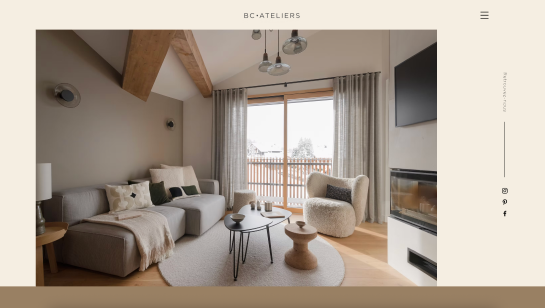
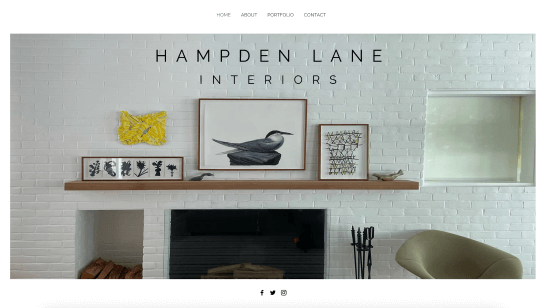
Portfolio website: Bring your creative or professional work together in one place to help people understand what you do and find opportunities for projects, commissions or employment.
Resume website: Go beyond a traditional resume with a dedicated place for your experience, skills, work and career goals, making it easier for employers, clients or collaborators to learn about you.
Nonprofit website: Explain your cause, connect with supporters, recruit volunteers and raise funds through donations, memberships, merchandise or fundraising campaigns.
Event website: Give people a central place to find event details, register or buy tickets, receive updates and learn how to participate. Events can also generate revenue through tickets, sponsorships or vendor fees.
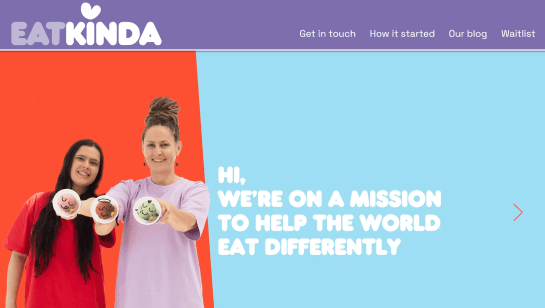
Business website: Explain what your business offers, help potential customers find you and give them a way to contact you, book services or make a purchase.
Personal website: Create a space for your interests, ideas, projects or creative work and use it to connect with others, build an audience or earn income from services, products, courses or memberships.

Website ideas by goal
The best starting point is to decide what you want your site to achieve, then choose an idea that supports that goal.
Make money
If earning income is the main goal, start with an idea that has a clear path to monetization. An online store lets you sell physical or digital products, while a service website can bring in clients for consulting, coaching, design, photography, writing, tutoring and other services. If you have knowledge to teach, an online course or membership site can turn that expertise into paid content. A blog, review site or affiliate site can generate income through advertising, affiliate links and sponsorships, while digital products such as templates, ebooks, guides and printables can be sold without physical inventory.
The strongest ideas don't just have a way to make money. They give people a reason to visit before they buy. A useful blog can attract an audience for an online store, while educational content can introduce potential customers to your services or courses.
Showcase your work
If your website is mainly about you and what you create, make the work the focus. A portfolio, photography, artist, designer, writer, musician or filmmaker site can show selected projects, explain your process and give visitors a clear way to get in touch. A resume website can do the same for professionals by combining experience and achievements with work samples and projects.
You can also turn an online portfolio into a business tool. A photographer might use their site to sell prints or book shoots, while a designer could combine project work with a services page and contact form.
Share what you know
A website can turn expertise into a resource people return to. A blog or how-to site can focus on almost any subject, while more specialized ideas include education, finance, fitness, food, travel, reviews and data websites. The key is to give the site a clear focus rather than trying to cover everything.
For example, "travel website" is broad. A site focused on affordable weekend trips, accessible travel or family-friendly destinations immediately gives you a clearer audience and a more defined content strategy.
Build a community
Some websites are built around people rather than content or products. A community or membership site can give people with a shared interest, location or goal a place to connect, access resources and participate in discussions. Nonprofit, school, sports team, local community and cause-focused websites can serve a similar purpose by bringing information, events and opportunities together in one place.
An event website can also become a community hub, giving people somewhere to find schedules, tickets, updates and other information before and after an event.
Turn a passion into a website
A personal interest can be enough to start a website, especially when you give it a specific angle. Fashion, beauty, gaming, DIY, poetry, humor, quizzes, hobbies and fan sites can all attract an audience when they offer something distinctive.
Think beyond simply documenting what you like. A gaming site could publish guides and reviews. A DIY site could sell project kits. A fashion site could focus on styling a particular type of wardrobe. A hobby site could become a useful resource for other people who share the same interest.

How to choose a website idea
You don't need an idea nobody has tried before. You need an idea that makes sense for you, your audience and what you want the site to do.
Ask yourself:
What can I create consistently? A good idea should give you enough material to keep publishing, adding products or developing the site over time.
Who is it for? The more clearly you define your audience, the easier it becomes to decide what content, features and services belong on the site.
Why would someone visit? Give visitors a specific reason to come: to learn something, solve a problem, buy something, book a service, find inspiration, connect with others or be entertained.
How could it grow? Think about where the idea could go next. A blog might add digital products. A portfolio might add services. A community might add memberships or events.
Make a broad idea more specific
One of the easiest ways to make a website idea stronger is to narrow it down. Instead of starting with "a food blog," think "quick vegetarian meals for college students." Instead of "a fitness website," try "strength training for beginners over 40." Instead of "a travel site," consider "affordable weekend trips from major cities."
The narrower idea gives you a clearer audience and makes decisions about your content much easier. You can always expand later once you know what people respond to.
Combine ideas when one isn't enough
You don't have to choose just one type of website. Some of the most useful sites combine different purposes.
A portfolio + services site can showcase your work and bring in clients. A blog + online store can attract visitors through useful content and give them products to buy. A course + membership site can combine structured learning with an ongoing community. A personal brand + digital products site can turn expertise into both an audience and a source of income.