Updated: Aug 2
Ready to showcase your best work? Start building your portfolio →

Why do you need a portfolio? You need a portfolio because it shows the actual quality of your work, giving clients and employers a reason to trust your skills before they ever hire you. More than a collection of samples, a portfolio website is a strategic tool for growing your career, building your professional identity and winning new projects. Once you see how much it can do, the next step is learning how to make a portfolio that works hardest for you.
Portfolio websites also build trust through transparency. When people can see real examples of your work, they feel more confident in what you can deliver, often before a single conversation takes place. Wix makes portfolio website creation easy, giving you a professional result without the technical hassle. Below, you'll see the four reasons a portfolio matters, how much it counts in different industries and what makes a digital portfolio worth building.

With Wix’s portfolio builder, you can create a professional, eye-catching portfolio that shows your best work in just a few clicks. Wix’s customizable website templates and easy-to-use tools let you present your skills with confidence, leaving a lasting impression on anyone who visits your site.
TL;DR: why do I need a portfolio?
You need a portfolio because it proves your skills with real work instead of just claiming them, tracks your growth over time, shapes the personal brand that sets you apart and gives you something concrete to share when you network. Those four roles make it essential today across every industry, not just creative ones.
The 4 reasons at a glance
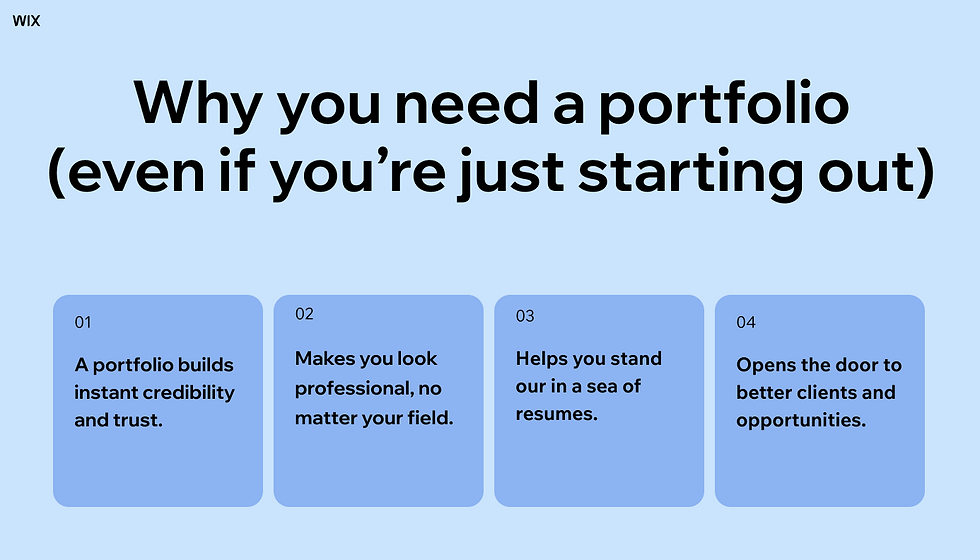
Tangible proof of your skills: Real work samples show what a resume can only claim
Career development: A living archive of your growth that helps you spot strengths and areas to improve
Personal brand: Communicates your identity, your approach and what sets you apart
Networking: Gives you something concrete to share and sparks conversations with clients and employers
Why do I need a portfolio? 4 reasons why
01. Tangible demonstration of your skills
Resumes tell employers what you can do but portfolios show them and that's what makes them so necessary. In a competitive job market, the ability to demonstrate your capabilities through actual work samples gives you a significant advantage over candidates who only offer written descriptions of their skills.
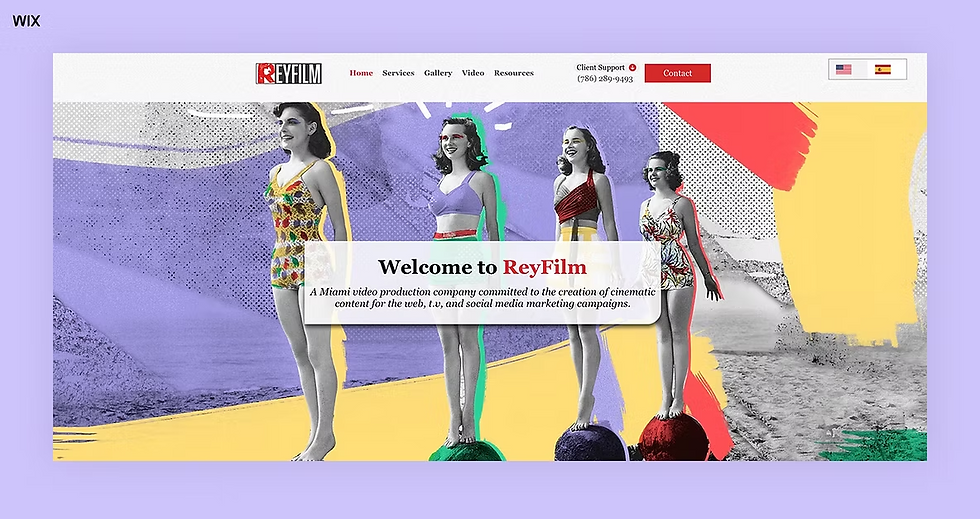
We're using this videographer portfolio example to show how this works in real-life.
Rey Film’s portfolio uses case study formatting, giving potential clients insight into the process and results of each project. That adds major credibility.
Looking to land your next role? Learn how to make a portfolio for a job that gets noticed.
02. Career development tool
Your portfolio serves as an archive of your professional journey. By documenting your growth over time, you can identify patterns in your work, recognize your strengths and pinpoint areas for improvement. Just make sure to use old projects wisely, you don't want to clutter your portfolio with work that isn't relevant any longer. Balancing current and older projects is key.
Take inspiration from this photography portfolio example by Fei Luo Photography.
Fei splits her portfolio into four categories: landscape, fashion, dancers and shadow work.
When hovering over “Portfolio” in the top navigation, visitors can find pages showcasing Fei’s work in film, advertising and more. By organizing her portfolio by industry, she can show off both the breadth and depth of her expertise in different subject matters like fashion.

Learn more: How do I make my portfolio stand out?
03. Personal brand builder
A carefully thought out portfolio communicates your unique professional identity. It showcases not just what you can do but how you approach problems, the quality of your execution and what sets you apart from others in your field. Its not just the projects you display but how you build your portfolio that helps set your brand apart.
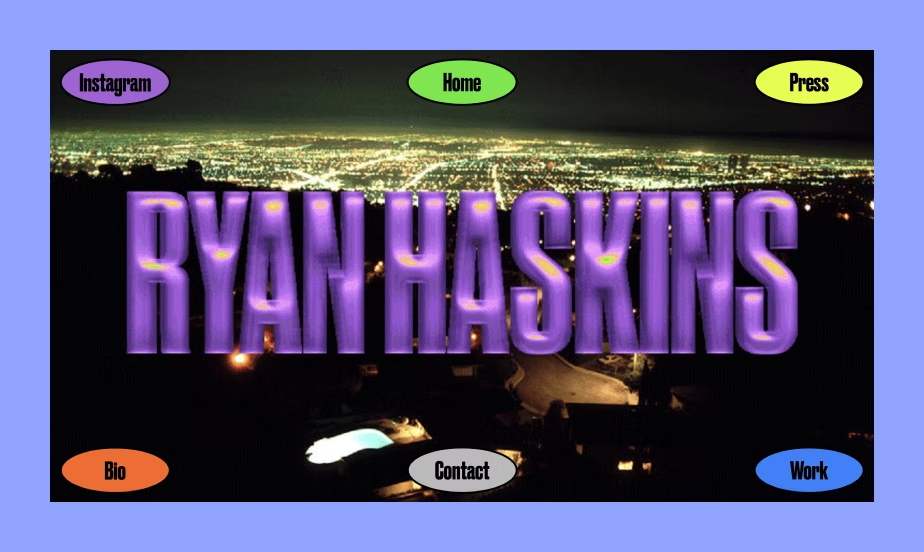
This example of one of our best portfolio websites to show just this.
Brand designer and creative director Ryan Haskins’ portfolio website is full of surprises, starting from the expressive typography on his homepage. Blending more than three typefaces on one interface is generally seen as a big design no-no but Ryan has taken font pairings to the extreme in order to showcase his unique skills.
04. Networking accelerator
Having a polished portfolio creates conversation opportunities with potential employers, clients and collaborators. It provides a concrete reference point that makes networking interactions more meaningful and memorable. It also gives you something to share once you connect with the right person.
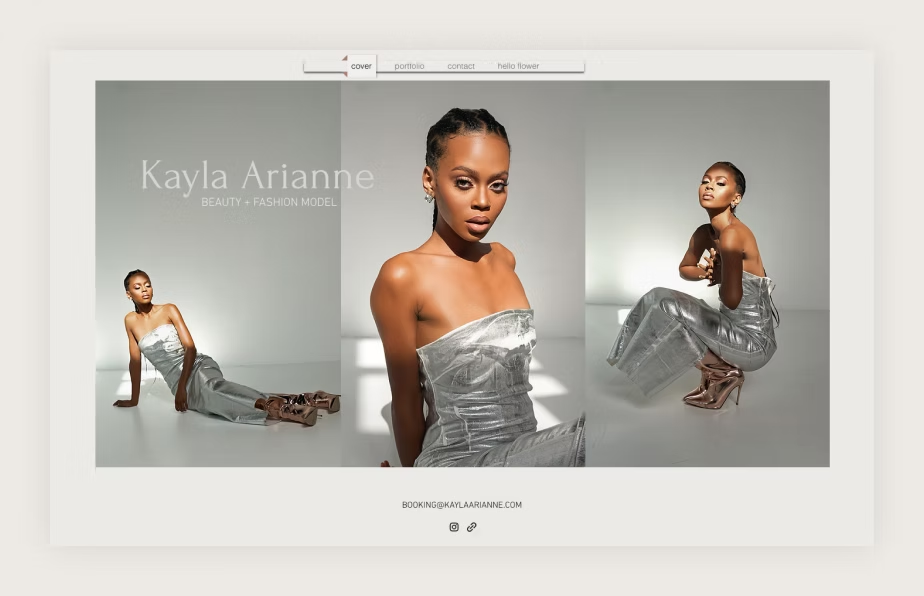
This digital portfolio example by model Kayla Arianne shows just how long gone are the days of models around a book overflowing with tear sheets and test shots to go-sees.
How important is a portfolio by industry
For the longest time portfolios were the domain of creatives, however they've increasingly become valuable across virtually all industries.
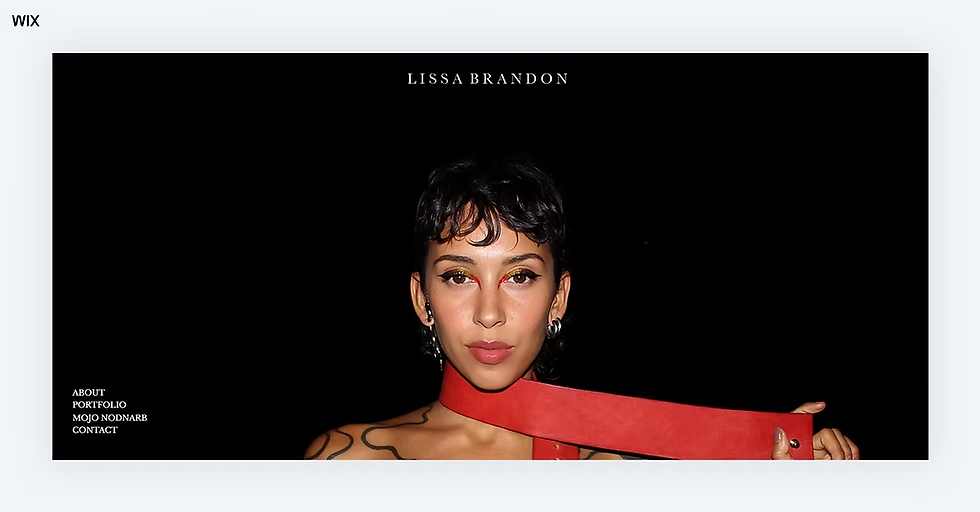
Designers and artists use portfolios to showcase their creative capabilities and stylistic range
This art portfolio example by Lissa Brandon showcases her work with a bold style that is all her own.
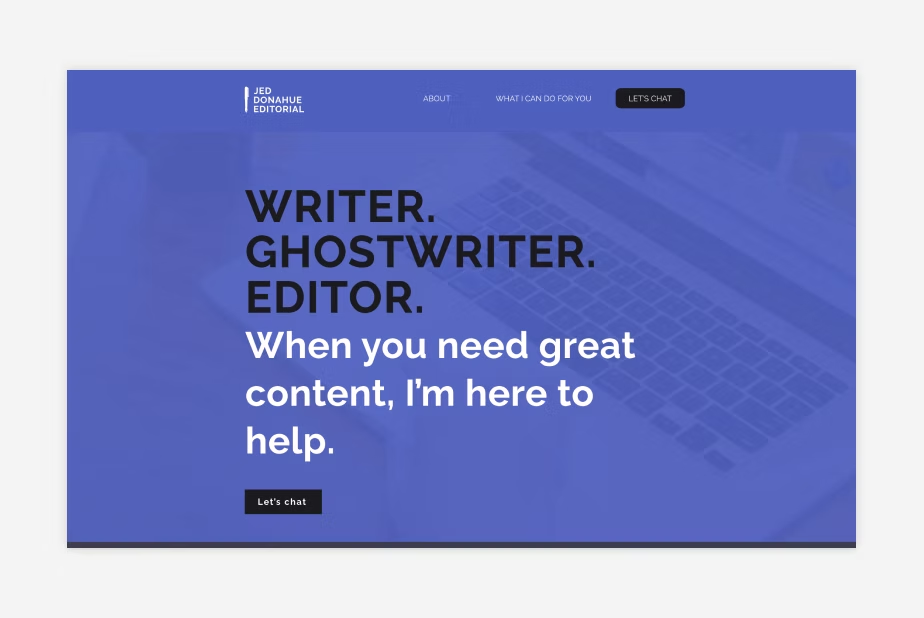
Writers and content creators need portfolios to sample their writing, unique or flexible voice, writing versatility and range of expertise
This writing portfolio example by Jeff Donahue does just that.
Developers and engineers rely on portfolios to demonstrate their code samples, technical projects including both the solutions and outcomes.
Learn more:
Marketers should build portfolios to show their campaign results, strategy documents and performance metrics achieved.
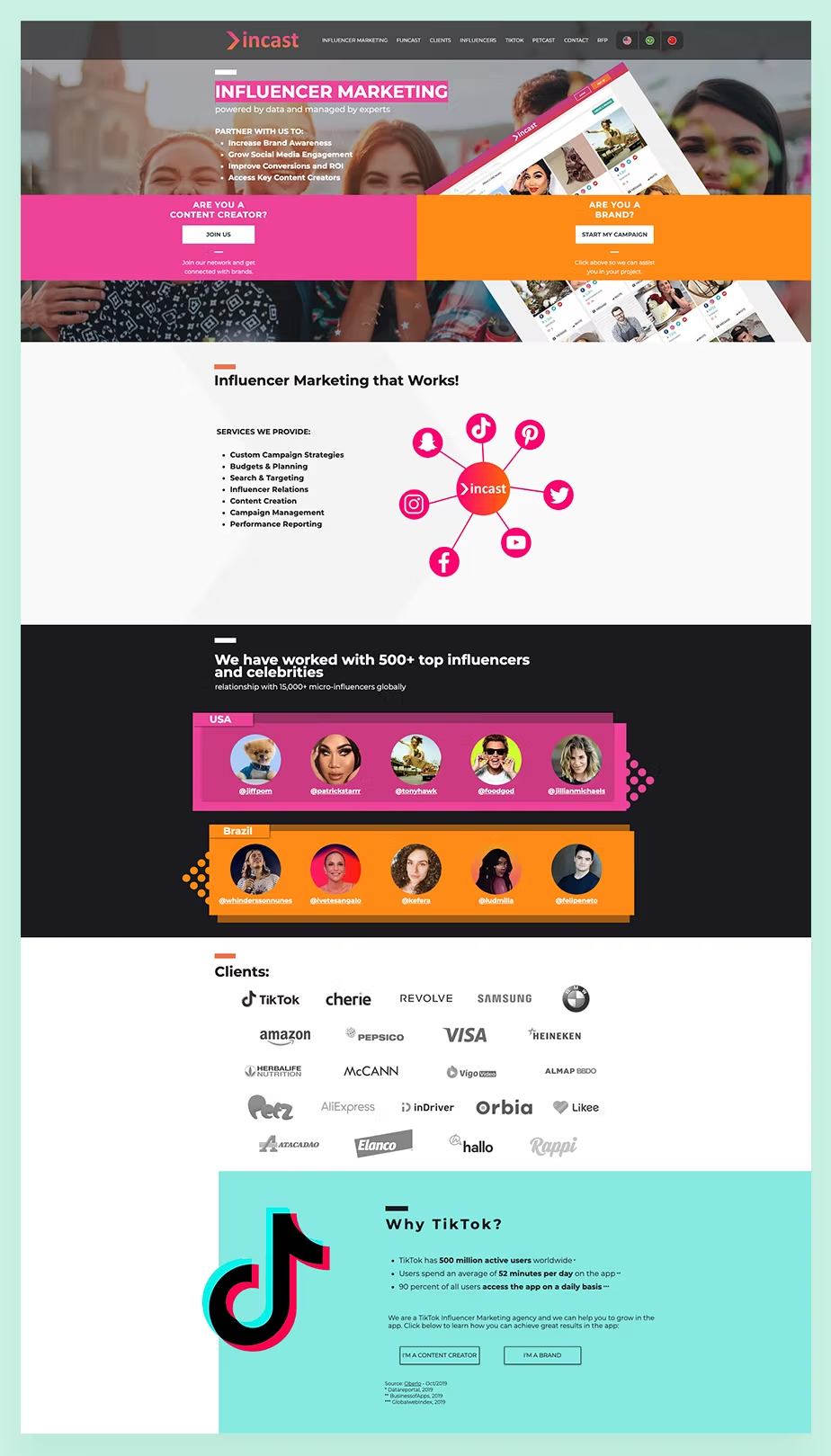
Influencer marketing agency Incast facilitates partnerships between brands and social media influencers and uses their portfolio to show this clearly and effectively.
Create your portfolio based on your industry:
Not sure what type of portfolio you need? Here are a few to inspire you.
Looking to create a portfolio? Learn more about the best portfolio website builders to choose from
What are the advantages of having a digital portfolio?
Global accessibility: Creating a professional portfolio for potential employers or clients to read anywhere, anytime widens your pool of clients by a lot.
Constantly updated: They're easy to refresh with your new work and projects. This means as your skills and experience grows, you can easily show this by updating your portfolio.
Integrating multimedia: Videos, interactive elements and other diverse media types can all be used to show just what you can do and how well you do it. This makes digital portfolio's more effective at engaging the right people.
Analytics and measurement: On a Wix portfolio, for example, you can use in-built Wix Analytics to understand who visits your site and how well (or not) they engage with it. This can help you to constantly improve it to improve engagement.
Why do I need a portfolio FAQ
Can I create a portfolio for free?
Yes. Many website builders, including Wix, offer free plans that let you publish a basic portfolio without paying upfront. Free plans usually include platform branding and a non-custom web address, so upgrading to a paid plan with a custom domain is worth it once you start sharing your portfolio professionally.
How often should I update my portfolio?
Review it every few months and refresh it whenever you finish work worth showing. Regular updates keep your strongest and most recent projects front and center, remove anything outdated and show visitors that you are active in your field. On Wix you can edit and republish in a few clicks.
Should my portfolio be a website or a PDF?
For most people a portfolio website is the better choice. A site shares with one link, works on any device and can hold video, interactive media and live project pages. A PDF still helps for formal applications or when a file is requested, so many professionals keep both versions ready.


