Updated: Nov 9
The perfect domain is just a click away: buy your domain →

Buying an expired domain name can give you a head start when you create a website, thanks to existing backlinks, search history and potential residual traffic. Instead of starting from scratch, you’re building on a domain that search engines and users may already recognize.
For marketers and business owners, this approach can shorten the time it takes to gain visibility, helping new websites establish authority faster than launching on a brand-new domain.
Secure your perfect domain in just a few clicks with Wix. Get everything you need in one place: business email, reliable hosting, SSL protection and full privacy. With 24/7 support and no hidden fees, getting your site live is simple and worry-free.
TL;DR: how to buy expired domains
An expired domain is bought through an auction, a marketplace listing or a backorder service, depending on how much competition the name attracts. Before bidding, review how the name was used and confirm its link profile holds up in an SEO tool. Set a budget, then move the name to your registrar with the auth code once the sale closes.
You'll learn:
What an expired domain is and why its SEO history carries over
Where dropping names get listed, and how drop catching works
The five steps, from vetting history to completing the transfer
The warning signs that mark a name as toxic
How to register and secure the name with Wix
What is an expired domain?
An expired domain is simply a web address that the previous owner failed to renew. Domains are rented, not owned forever, so when a contract ends and isn't paid, the registrar eventually releases it back to the public market.
Once it re-enters the market, anyone can register it. The appeal is that you often inherit the SEO history attached to that name. This means the backlinks, domain age and authority built by the previous owner become yours, potentially giving your new site an immediate boost in search rankings.
The stages between expiry and availability
A name does not become available the moment it expires. It moves through a set sequence first, and only the last stage puts it back on the open market.
Expired, still renewable. The original owner can usually still renew. ICANN allows registrars to delete an expired registration at any point after expiry, so the length of this window is set by the registrar rather than by a universal rule.
Redemption grace period. Once the registrar deletes the name, gTLD registries such as .com and .net must offer a 30 day redemption period in which the original owner can restore it. The registry disables DNS and blocks transfers during this time, and a WHOIS lookup shows the redemption status.
Pending delete. After redemption closes, the name sits in a short pending delete stage. It cannot be registered or restored by anyone at this point.
Dropped. The registry releases the name and anyone can register it. This is the moment a drop catching service acts on.
Learn more:
How to find expired domains
You can't just guess which names are expiring; you need the right tools to spot them before they vanish or get snatched up by competitors. Dedicated marketplaces and database sites list thousands of dropping names daily, acting as search engines for these valuable URLs.
Domain discovery tools compile daily lists of expiring and recently released domains, making it easier to search and evaluate options in one place. You can usually filter results by factors like domain age, backlink strength, estimated traffic and price, then narrow your search further by keywords or specific extensions, like .com or .net, to find a domain that fits your niche and goals.
Another method is "domain drop catching" or backordering. This involves using a service that attempts to register a domain the exact millisecond it becomes available for public registration. This is essential for highly desirable names where competition is fierce.
Did you know: the extension can name the trade itself. A .domains domain suits a site that buys, sells or catalogs names, which is exactly what an expired-domain list does.
You may also be interested in:
How to buy expired domains in 5 steps
Buying a pre-owned domain is a bit more complex than registering a new one, but the payoff can be worth the effort. Follow these steps to ensure you pick a winner:

01. Vet the domain history
"There’s a positive correlation between a clear and relevant domain name, and strong online visibility. I can say that a thoughtfully chosen domain name impacts the brand’s exposure". - Keren Friedlander, Product Manager at Wix
A domain name’s past plays a major role in how it performs in search results and how users perceive your brand. Choosing a name with a clear, relevant history can directly support stronger online visibility and long-term growth.
Before considering the price, review how the domain was previously used. A domain associated with spam, misleading content or questionable industries can carry lasting reputational and SEO risks. You can also run a WHOIS lookup to check available registration details, such as the registrar and key registration dates.
Look through archived versions of the site to understand its past content and purpose. Watch for warning signs such as keyword stuffing, unnatural link patterns or content unrelated to your intended niche. Domains that were used to artificially boost rankings may already be penalized by search engines.
If the domain’s previous content aligns closely with your current goals and appears legitimate and well-maintained, it’s far more likely to support a successful new website.

02. Analyze SEO metrics
The main reason to buy an expired domain is for its SEO value, so you need to verify that value actually exists. Look at the Domain Authority (DA) and backlink profile using tools like Ahrefs, Moz or Semrush. You want a domain with high-quality links from reputable sites, not thousands of low-quality directory links.
If you are using the Majestic SEO analysis platform, be sure to check the trust flow and citation flow of the domain's backlinks, in order to evaluate quality and credibility. A healthy domain usually has a balanced ratio between these two metrics. If a domain has thousands of backlinks but zero traffic and very low authority scores, it’s likely toxic. Quality always trumps quantity here.

03. Select a marketplace
Different platforms sell expired domains in different ways, so the right option depends on your budget and acquisition strategy. Some marketplaces operate on an auction model, where multiple buyers compete for the same name, while others allow you to purchase a domain instantly at a fixed price.
If you’re targeting premium domains, auctions tend to attract higher competition and higher costs. If you’re searching for affordable options, you may find domains that can be registered immediately at standard pricing once they become available. Choose a marketplace that offers clear pricing, secure payment handling and a transparent ownership transfer process, so you can complete your purchase with confidence.

04. Secure the domain
Once you find the right name and it passes your checks, it’s time to make it yours. If it is an auction, set a strict budget beforehand. Bidding wars can escalate quickly in the final minutes, leading to overspending.
If the domain is available for backorder, place your request with a reputable drop-catching service. Be aware that multiple people may backorder the same name; in that case, the service will usually hold a private auction between the interested parties. Have your payment method updated and ready to go to avoid losing a great asset due to a technical error.

05. Transfer and build
After winning the auction or completing the purchase, you will need to transfer the domain to your preferred registrar. This process can take a few days to a week, depending on where the domain was held previously. You will receive an "auth code" or EPP code to authorize the move.

Learn more:
Register and activate your expired domain with Wix
Buying an expired domain is a smart strategy for those looking to bypass the initial struggle of building website authority. It offers a unique advantage, but due diligence is non-negotiable. Don't rush the vetting process: a bad domain is worse than no domain at all.
Once you’ve identified the right expired domain, the next step is registering and securing it properly. Wix simplifies domain registration for your business by bringing search, purchase and setup into one streamlined flow, so you don’t need to juggle multiple providers or configurations.
Additionally, Wix offers easy domain name search, powered by real-time availability checks. You can immediately see whether an expired domain is available, backorder-ready or already taken, helping you move fast when timing matters.
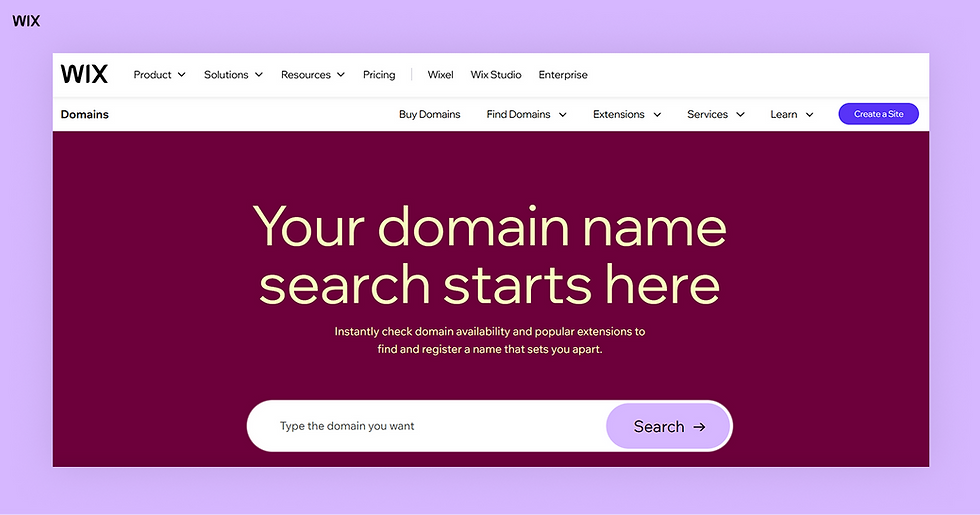
If you’re still exploring your domain name options, Wix's AI-powered domain name generator can help uncover available names you may not have considered, making the process simple even for first-time site owners.

Additionally, domain security is handled automatically, as Wix ensures secure domain registration with SSL certification, activating HTTPS by default once your site goes live.
With Wix offering quick domain registration, you can move from purchase to publishing without manual SSL setup or third-party certificates, giving you a secure foundation from day one.
You may also be interested in:
How to buy expired domains FAQ
Are expired domains safe to use for SEO?
Yes, but only if they are vetted correctly. An expired domain with a clean history and strong backlinks provides a powerful SEO boost. However, a domain that was used for spam or has a Google penalty attached to it can make ranking nearly impossible. Always perform a deep audit of the domain's history and link profile before purchasing.
How much does an expired domain cost?
The price varies wildly. Some expired domains can be picked up for a standard registration fee if no one else wants them. However, domains with high authority, short names or valuable keywords often go to auction and can sell for hundreds, thousands or even millions of dollars depending on the demand.
Can I change the niche of an expired domain?
You can, but it is not recommended if your goal is to preserve SEO value. The backlinks pointing to the domain are usually relevant to its previous topic. If you buy a domain about "gardening" and turn it into a "crypto" blog, those existing gardening links lose their relevance and value. It is best to stick to a niche similar to the domain's original purpose.


