






Build and design your author website

Drag and drop editor
Build an author portfolio website that reflects your writing voice and grows with your career. Add book pages, an author bio, an events calendar, a newsletter signup and contact forms using Wix's flexible drag-and-drop editor, with no coding required.
Design features
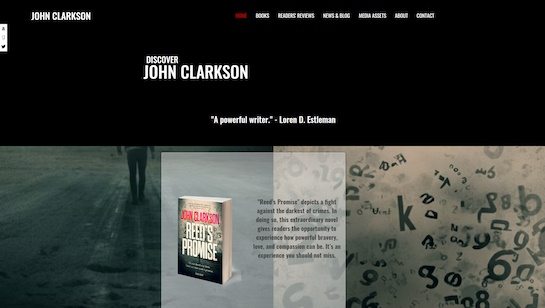
Showcase your books with eye-catching cover displays, author photography, reader testimonials and featured reviews. Customize fonts, colors and layouts to match your genre, creating a reading experience that feels like a natural extension of your work.
AI creation tools
Generate first drafts of your author bio, book descriptions, landing pages and website copy with built-in AI tools. Edit and personalize the content to match your voice, helping you launch your site faster and spend more time writing.
Custom website layouts
Create dedicated pages for every book or series, a media kit for publishers and journalists, a blog for updates and behind-the-scenes content, an events page for signings and appearances, plus a contact form so readers, book clubs and event organizers can easily reach you.

Wix is trusted by over 300M users
Content ideas for your author website

Homepage with book spotlight
Lead with your latest or most important title. A strong hero section with a book cover image, a short hook and a buy link turns casual visitors into readers immediately.

Books and series page
Give every title its own dedicated page with a cover image, synopsis, reviews and purchase links. Readers browsing your backlist should be able to find and buy without leaving your site.

Author bio and About page
Share your writing journey, your genre and what drives your work. A personal photo and an authentic voice turn your About page into a connection point with readers.

Newsletter and reader community
Add a newsletter signup to stay in touch with readers between releases. An email list is the most reliable way to announce a new book directly to people who already love your work.


Author website examples FAQ
What should an author website include?
An author website should make it easy for readers to discover your books and take the next step. Include a homepage that highlights your latest release, an About page with your author story, a Books page with reading order, blurbs and buy links, plus a Contact page for readers, media and event enquiries. A newsletter signup is one of the most valuable additions for announcing new releases, while a blog or events page can keep readers engaged between launches.
Keep the design consistent with your genre so visitors immediately get a sense of the stories you write.
What is the best website builder for authors?
The best website builder for authors makes it simple to publish books, update your site and connect with readers without coding. Wix includes customizable templates, a drag-and-drop editor and built-in features for blogs, newsletters and online stores, so you can manage everything from one place.
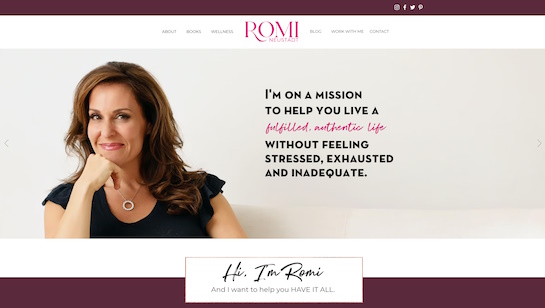
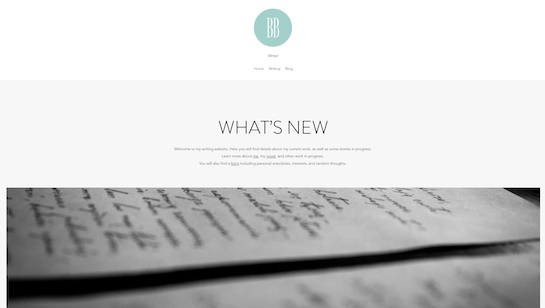
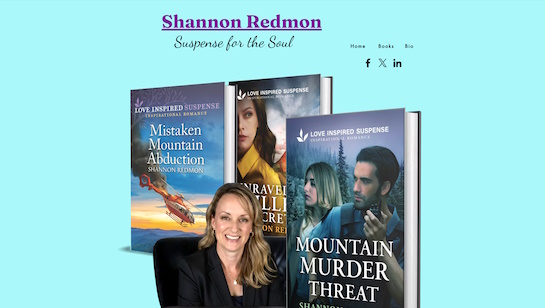
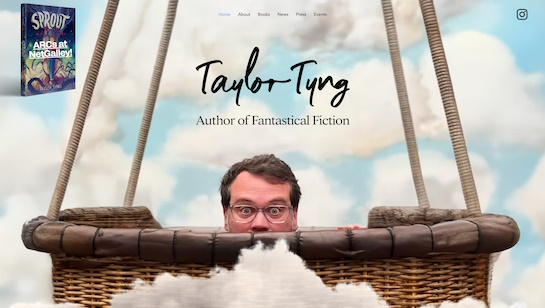
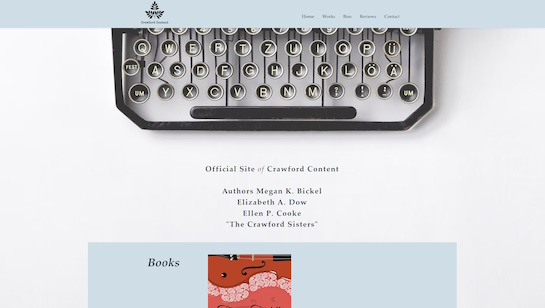
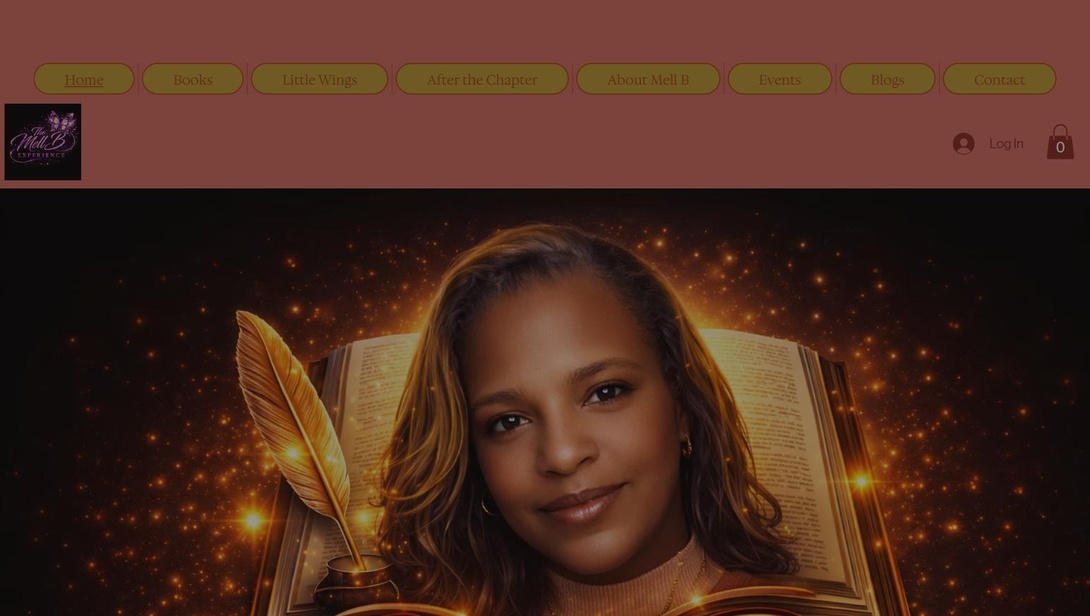
The author website examples on this page show how different writers use Wix, from simple portfolio-style sites to larger websites with book series, events and reader resources.
Do authors need a website?
Yes. An author website gives you one place you own where readers can always find your books, biography, events and contact information. Unlike social platforms, you control the content and how your work is presented.
It also gives literary agents, publishers, journalists and event organizers a reliable place to learn about your work. Even a simple website with your books and contact details can help you look more established.
How much does an author website cost?
You can start an author website for free with Wix, then upgrade when you want a custom domain, more storage or additional features. Registering a domain like yourname.com typically costs around $10–20 per year.
Building your own site with a website builder is usually far more affordable than hiring a designer, making it a practical option for authors at any stage of their career.
What is a good domain name for an author website?
Your own name is usually the strongest choice because it stays relevant as your catalog grows. A domain like yourname.com or yournameauthor.com is easy for readers, reviewers and publishers to remember.
If your preferred domain isn't available, try adding words like "books" or "writes", or consider another domain extension that fits your audience.
How do authors promote their books on their website?
Give every book its own page with a cover, description, reviews and links to buy in print, ebook or audiobook formats. If you write a series, include the reading order so new readers know where to start.
Pair your website with a newsletter signup so you can announce launches, share bonus content and keep readers engaged long after they leave your site.
Should an author website have a blog?
A blog is useful if you can update it regularly. It gives readers a reason to return, helps search engines discover new content and lets you share behind-the-scenes updates, research or writing insights.
If blogging isn't realistic, a simple news or updates page for book launches, events and announcements is an easier way to keep your website current.
How do I design an author website?
Choose a design that matches your genre and writing style. A mystery author might use darker colors and dramatic imagery, while a romance or children's author may prefer a lighter, more playful look.
Start with the essentials: a homepage, Books page, About page and contact or newsletter form. As your career grows, you can add events, media coverage or a blog.
Can I sell books directly from my author website?
Yes. Selling books directly lets you offer signed copies, special editions, bundles or merchandise while building a direct relationship with readers. Wix includes eCommerce features that make it easy to add an online store.
Many authors also include links to retailers so visitors can buy through their preferred bookstore or ebook platform.
What makes the best author websites stand out?
The strongest author websites make it easy to discover books, learn about the writer and stay connected. Clear navigation, consistent branding, professional book covers and obvious calls to action all help readers find what they're looking for.
The examples on this page take different approaches, but the most effective ones all create a reading experience that feels true to the author's voice and makes discovering the next book effortless.